Our Programmes in Cameroon
Seven integrated programmes addressing the structural barriers facing women, girls and underprivileged communities in Cameroon — delivered together, because they fail apart.
Our approach
Why we deliver seven programmes rather than one
It is normal for an organisation of our size to specialise. We have chosen not to, and the reason is practical rather than ambitious.
The barriers facing women and girls in Cameroon compound each other. A survivor of violence who receives counselling but no route to an independent income frequently returns to the household she fled. A girl re-enrolled in school on a bursary drops out again within a year if that school has no water, no latrine and no way for her to manage menstruation with dignity. A woman trained in a trade cannot use it if the land she farms is degrading and her savings sit in cash under a mattress.
Treating these as separate sectors produces interventions that look successful on their own indicators and fail on the ground. Our seven pillars exist as one system, and we measure them as one.
This is also why our monitoring framework disaggregates every indicator by sex, age, disability status and geographic location. Integrated programming is only credible if you can show which groups it is actually reaching.
Protecting Women & Girls
Safety, schooling and health, addressed together, because each one collapses without the others.
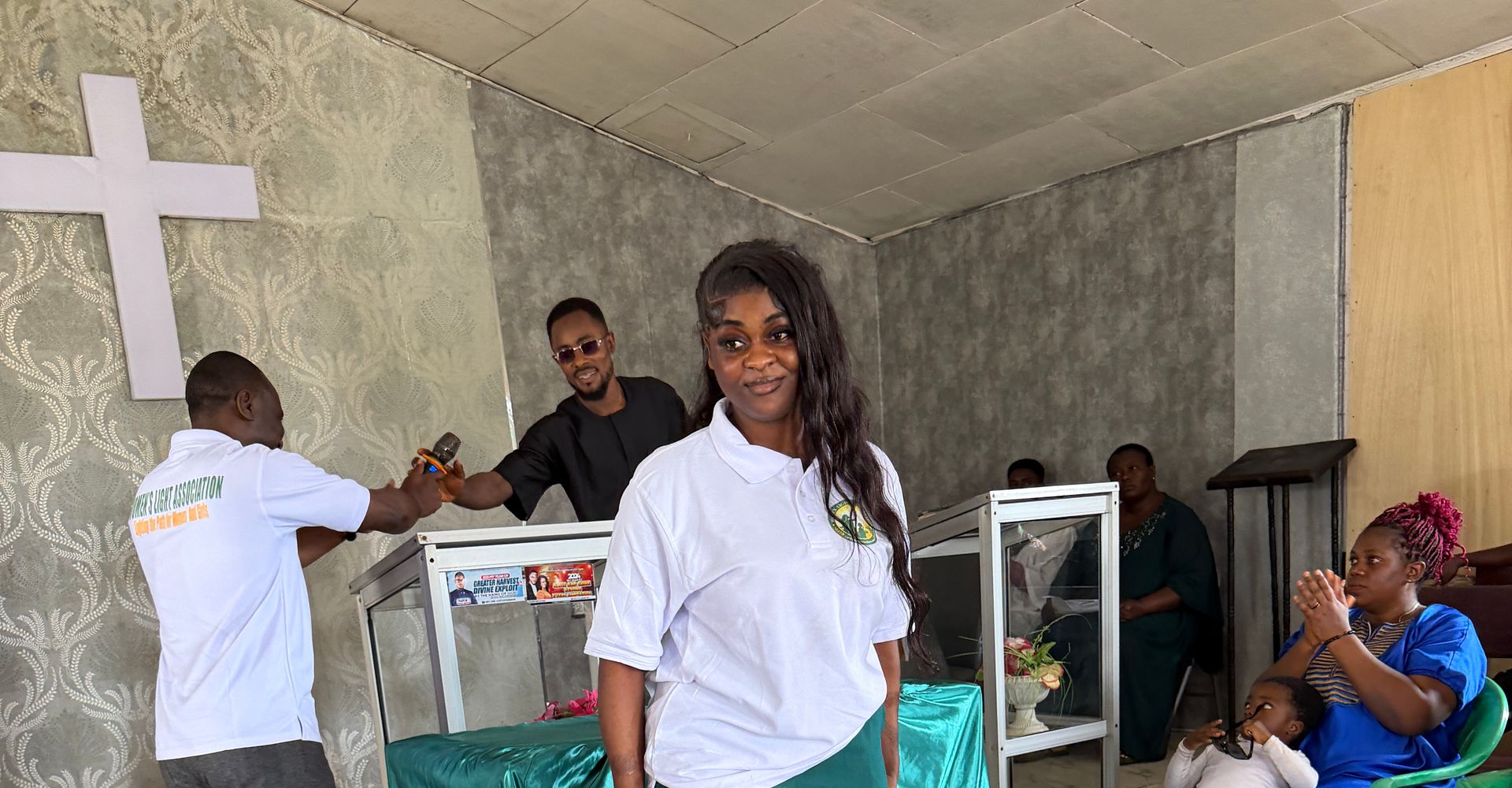
Gender-Based Violence Prevention & Response
Nearly one in two Cameroonian women has experienced physical or sexual violence. We work to prevent that violence, and to make sure that women and girls who survive it can…
Learn more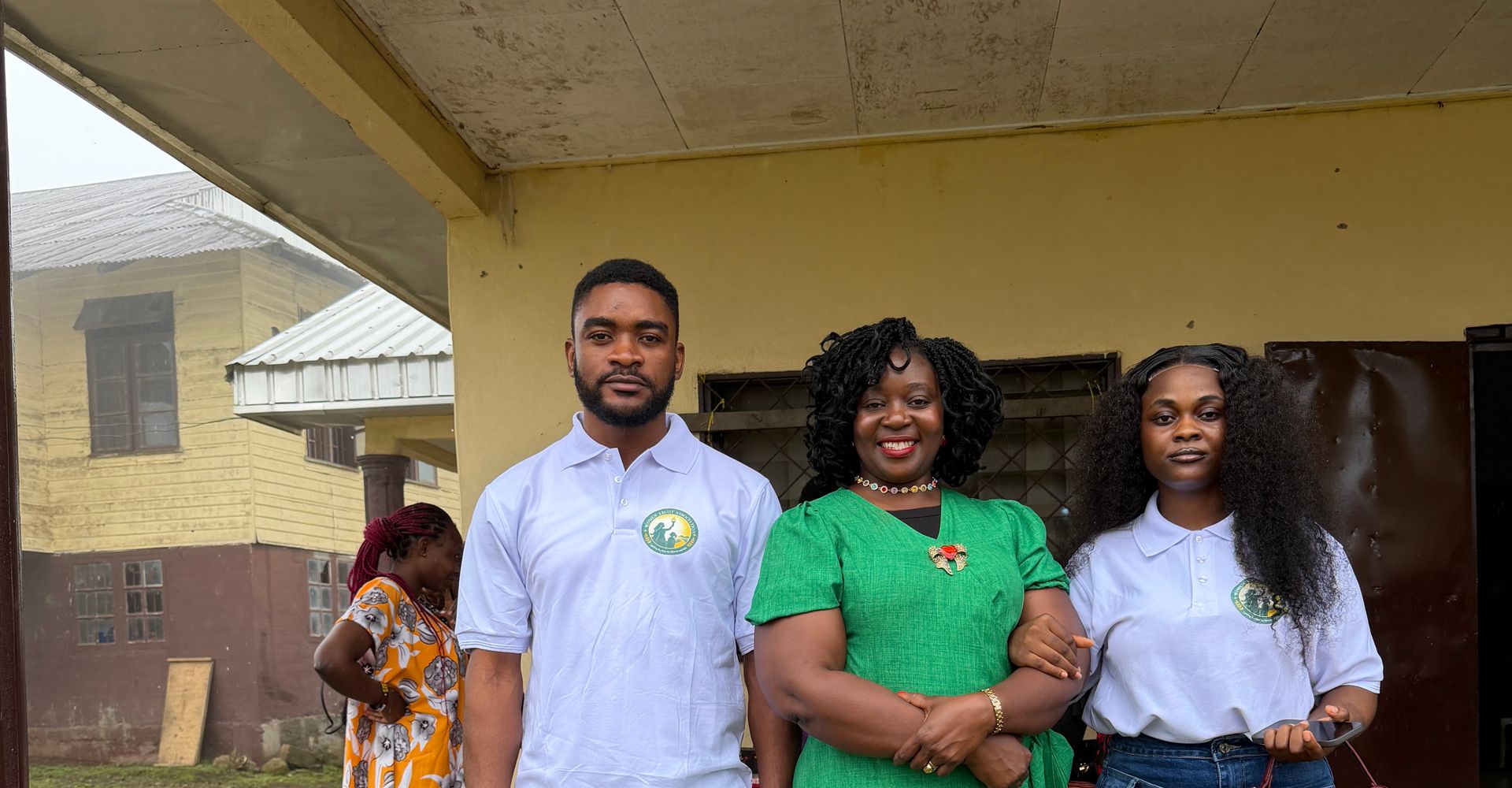
Girl-Child Education & Protection
Cameroon's female literacy rate remains below 70%. We work to get underprivileged girls back into school, and to remove the things that push them out again — cost, distance…
Learn more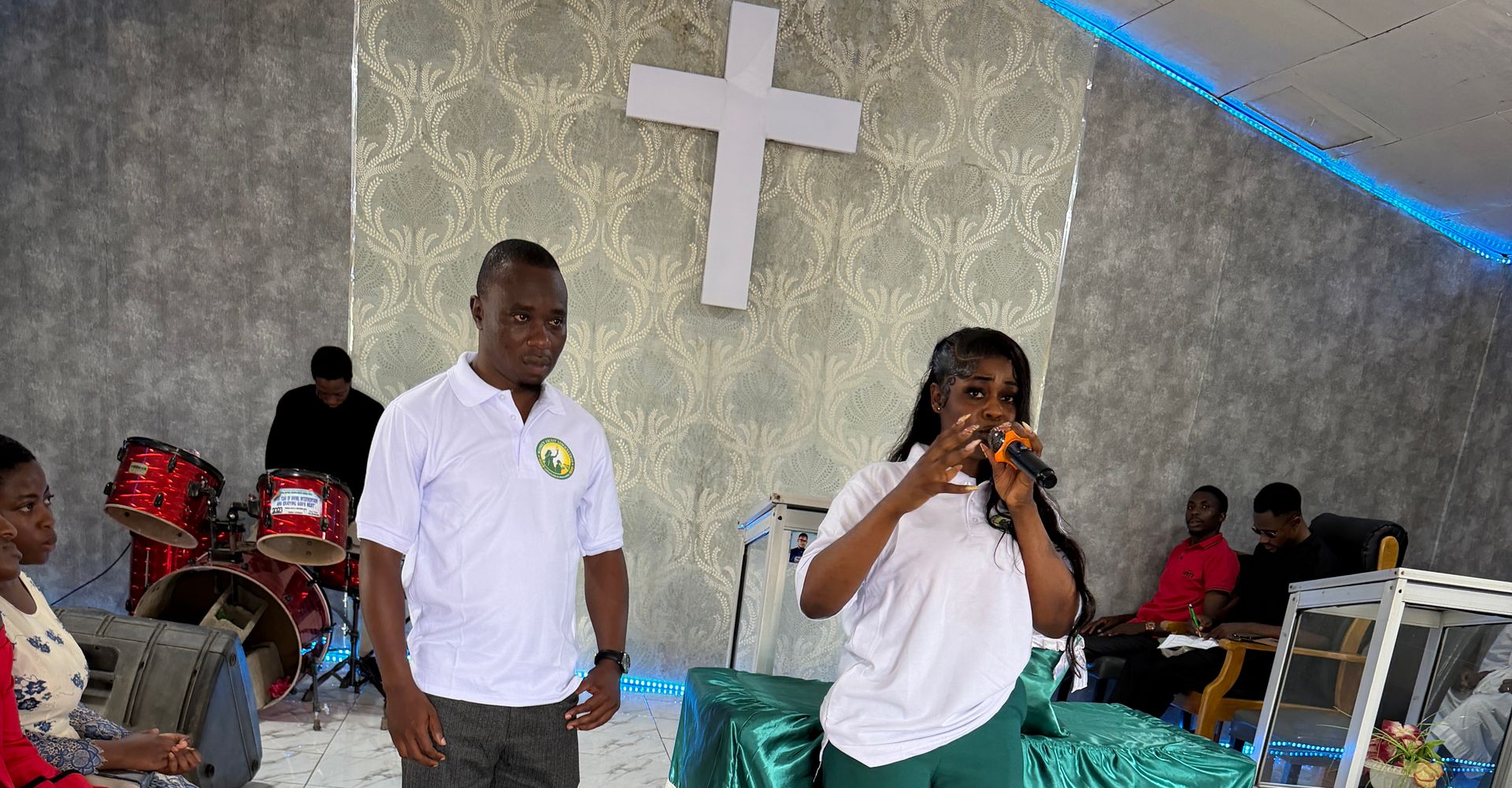
Sexual & Reproductive Health & Rights (SRHR)
Every woman and girl has the right to decide freely about her own body, health and future. Our newest pillar works to give women, girls and adolescents accurate information…
Learn moreBuilding Resilient Communities
The water, sanitation and environmental conditions that determine whether a household can hold its ground.
Water, Sanitation & Hygiene
Millions of Cameroonians lack safe drinking water and basic sanitation. Women and girls carry the heaviest burden of collecting water and face the greatest risk when…
Learn more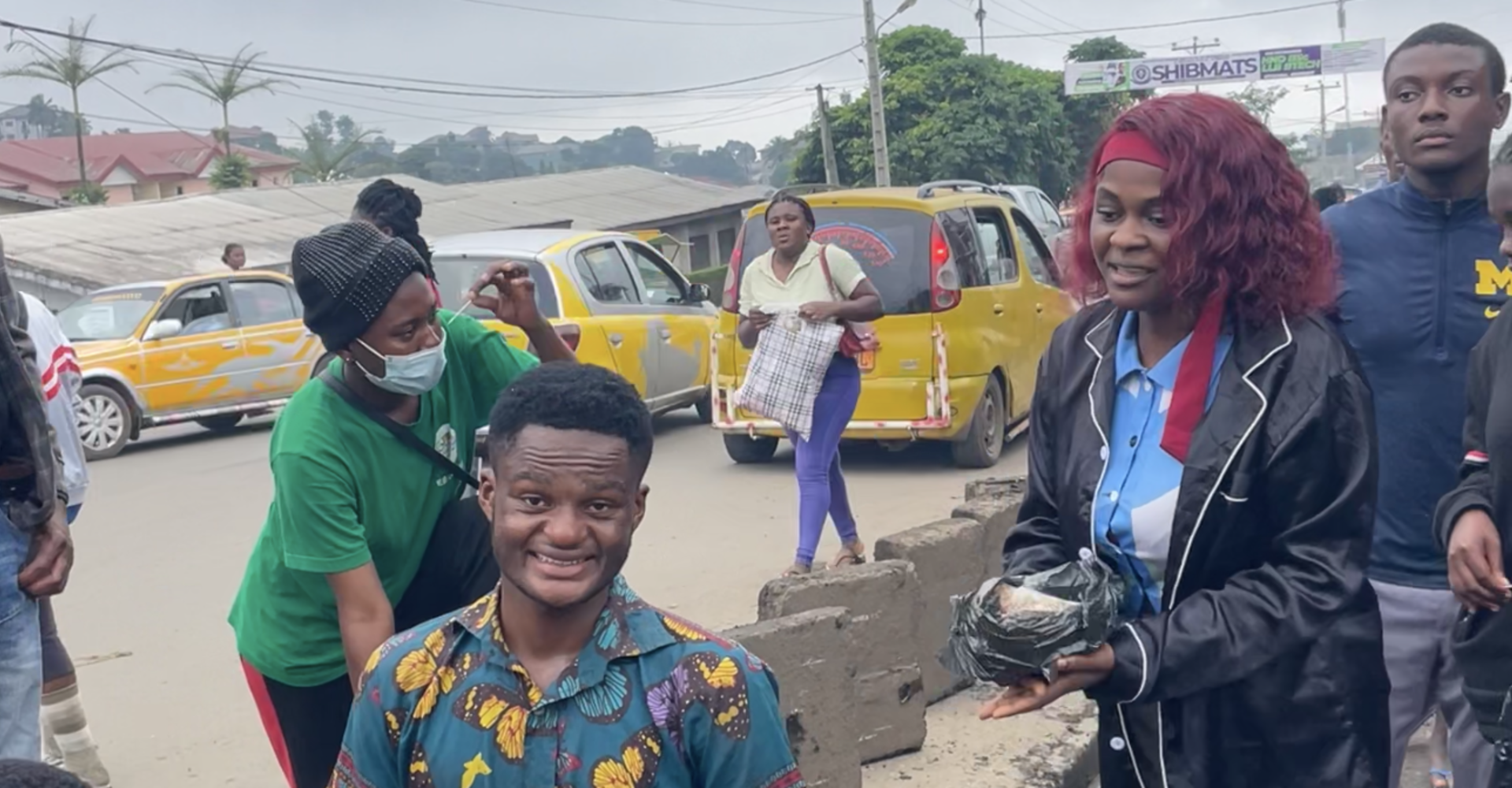
Environment & Climate Resilience
Deforestation, land degradation and climate variability threaten the livelihoods of rural women who depend on natural resources. Women are hit hardest by climate shocks and…
Learn moreCreating Opportunity
Economic independence, and the evidence that turns community experience into national policy.
Women's Livelihoods & Economic Empowerment
Women make up the majority of Cameroon's smallholder farmers and informal traders, yet face systemic barriers to land, credit, training and markets. We build the savings…
Learn more
Advocacy, Research & Policy
Programmes change lives one community at a time. Policy changes the conditions everywhere at once. We document what we see, publish it, and take it to the people who set the…
Learn moreAlignment with the Sustainable Development Goals
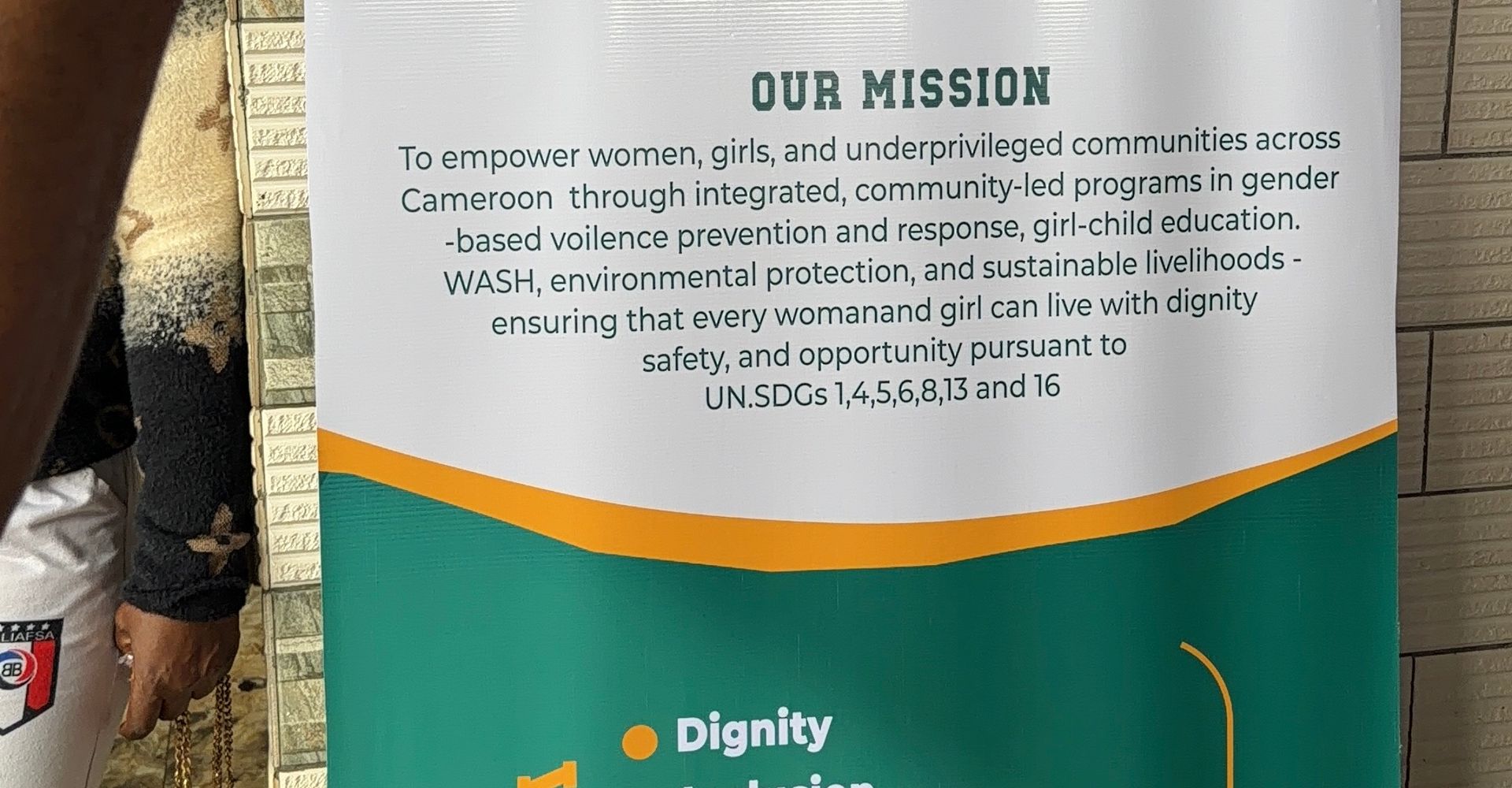
Our programmes are designed against seven of the UN Sustainable Development Goals, and reported against them.
- SDG 1 No Poverty Savings groups, vocational training and start-up capital for women with no access to formal credit.
- SDG 3 Good Health and Well-being Maternal health, family planning, adolescent health, HIV prevention and referral to post-rape care.
- SDG 4 Quality Education Bursaries, re-enrolment, safe learning spaces and mentorship for out-of-school girls.
- SDG 5 Gender Equality GBV prevention and response, survivor support, and women's participation in community decision-making.
- SDG 6 Clean Water and Sanitation Community water points, sanitation facilities and menstrual hygiene management in schools.
- SDG 8 Decent Work and Economic Growth Skills training, cooperative development and market linkage for women in the informal economy.
- SDG 13 Climate Action Reforestation, climate-smart agriculture and women as environmental decision-makers.
- SDG 16 Peace, Justice and Strong Institutions Legal aid, rights awareness, accountability mechanisms and evidence-based policy advocacy.
Where this work happens
Programming begins in the Northwest and Southwest Regions, where unmet development needs for women and girls are most acute. Our mandate is national, and the model is built to be replicated.
Support the whole system, not one piece of it
The pillars work because they connect. Funding any one of them strengthens the others.