Water & Sanitation
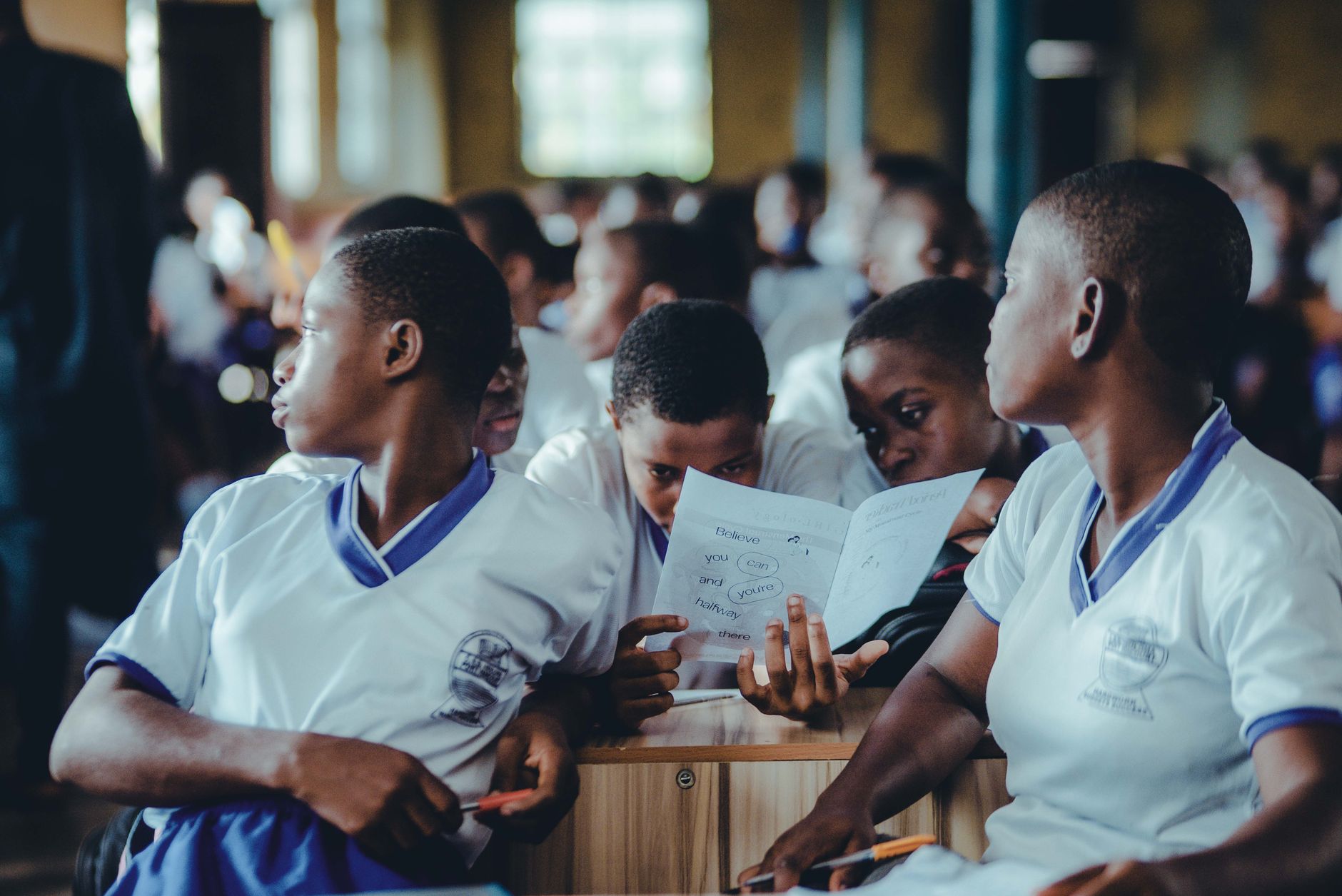
Menstrual Hygiene Day: Period Poverty and Why Girls Miss School
Marked every 28 May. Period poverty is not only about the cost of pads — it is about whether a school has water, a door that…
Accessibility
Text size
Display
Your choices are remembered on this device.
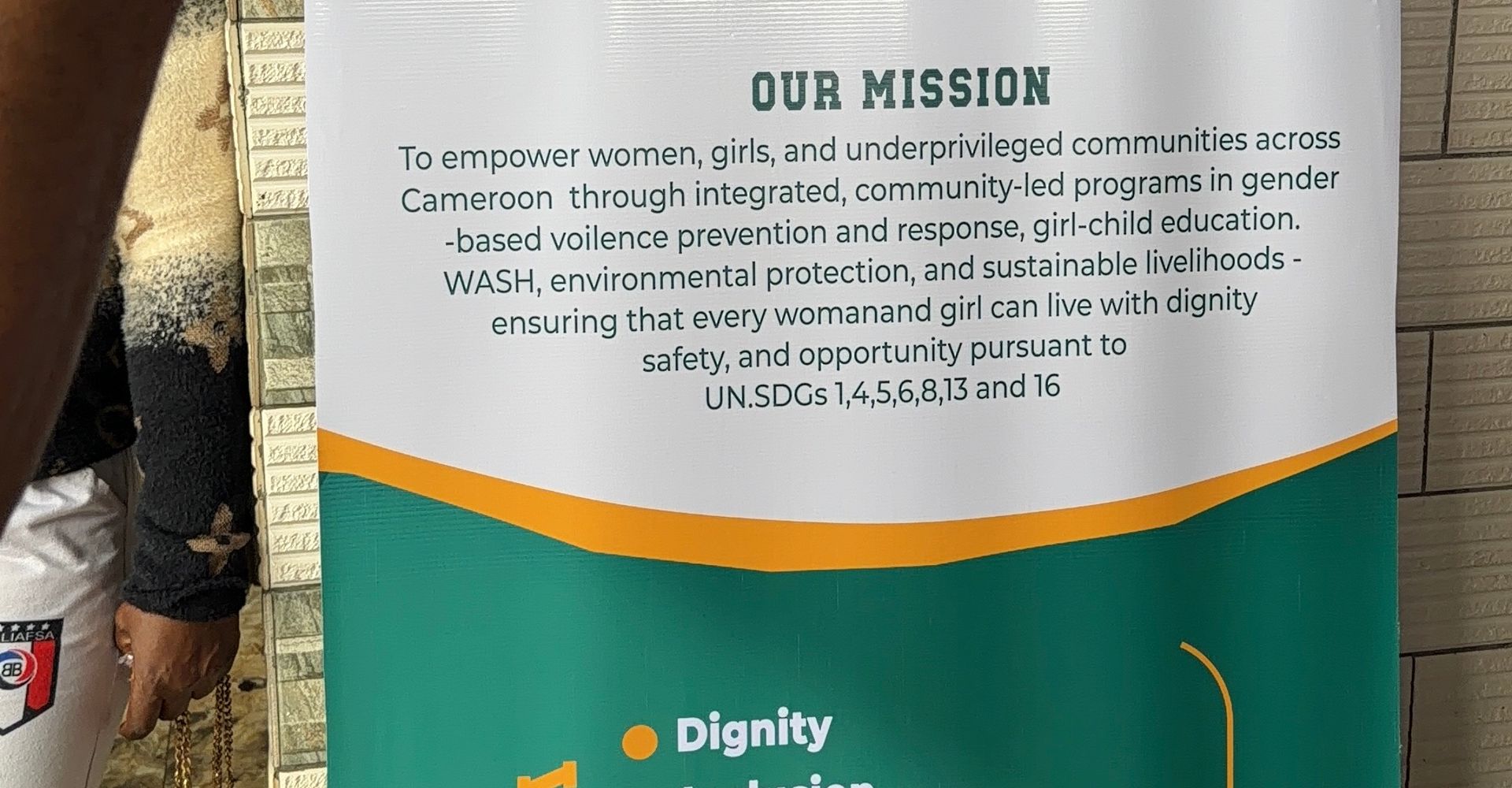
Millions of Cameroonians lack safe drinking water and basic sanitation. Women and girls carry the heaviest burden of collecting water and face the greatest risk when facilities are missing.
5
Community water points to be rehabilitated in year one
MHM
Menstrual hygiene management in schools, tied to girls' attendance
100%
Of rehabilitated water points to be handed to a trained community committee (our standard)
The challenge
Millions of Cameroonians — especially in rural and peri-urban areas — lack access to safe drinking water, basic sanitation and hygiene facilities. The consequences are not distributed evenly. Women and girls bear the heaviest burden of water collection and are the most exposed to the health and safety risks of poor WASH conditions.
Hardware and the systems that keep it working, delivered together.
01
Restoring existing boreholes and water points that have fallen out of use — frequently faster, cheaper and more sustainable than new construction.
02
New water points where no serviceable source exists, sited with the community to shorten the journey for those walking furthest.
03
Latrines and sanitation facilities designed with women's safety and privacy as a starting requirement rather than an afterthought.
04
Facilities, supplies and education together, so that menstruation stops costing girls several days of school every month.
05
Campaigns on handwashing, safe water storage and household hygiene, developed with communities rather than delivered at them.
06
Every water point is handed to a trained committee with a maintenance plan, a parts route and a funding mechanism — with women represented in decision-making.
07
Handwashing stations at schools, health facilities and public gathering points, where they interrupt transmission most effectively.
Who we serve
We prioritise communities with the longest journeys to water and the weakest sanitation provision.
WASH work is delivered to recognised humanitarian quality standards, with accountability to the communities who will live with the results long after a project closes.
Targets drawn from our organisational framework, with the horizon against which we will report progress.
Water & Sanitation
Marked every 28 May. Period poverty is not only about the cost of pads — it is about whether a school has water, a door that…
Education
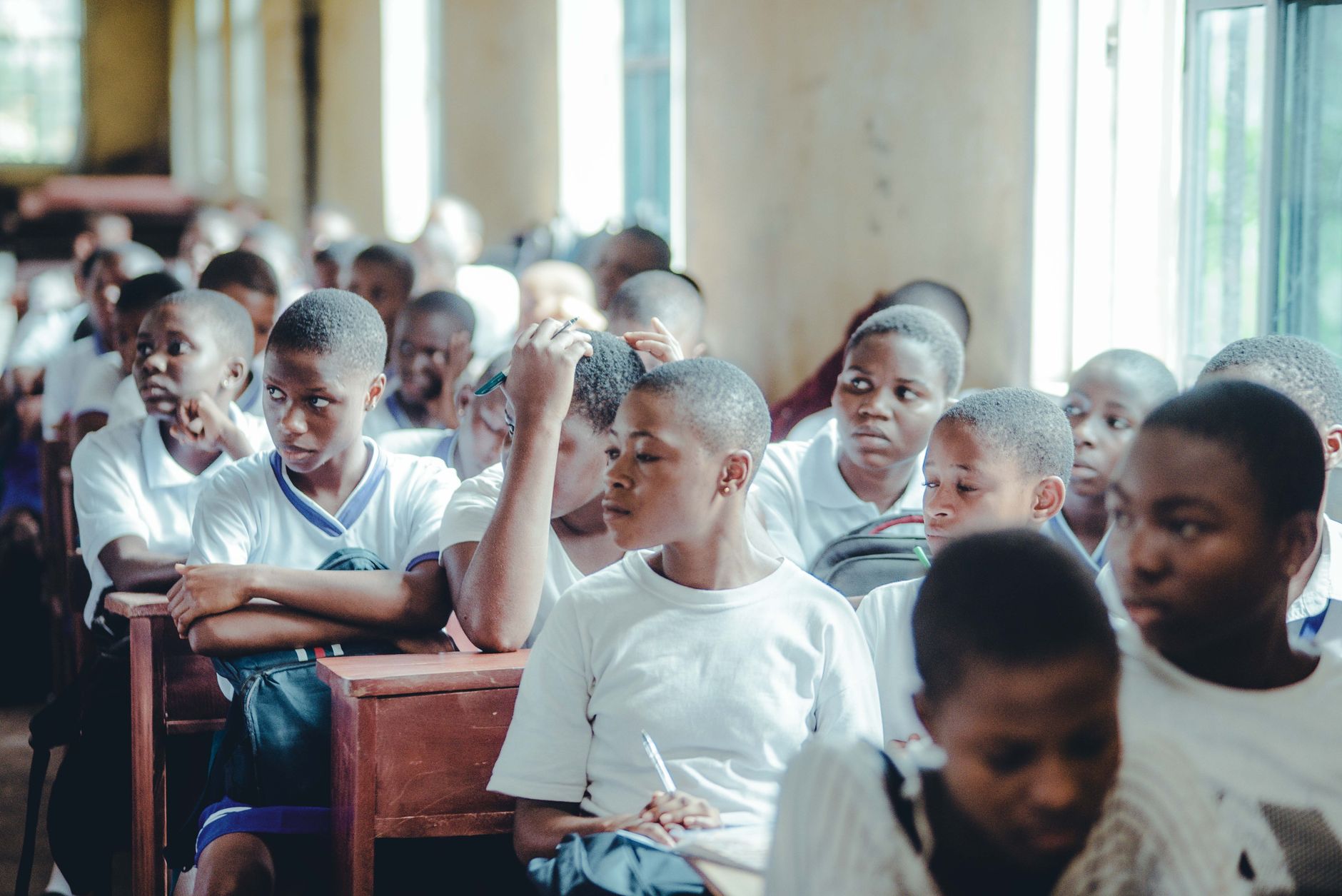
The importance of girls' education is not disputed. What gets less attention is that most girls who drop out leave for reasons…
Water & Sanitation
SDG 6 promises water and sanitation for all by 2030. The world is not on track, and the reason is less about drilling wells than…
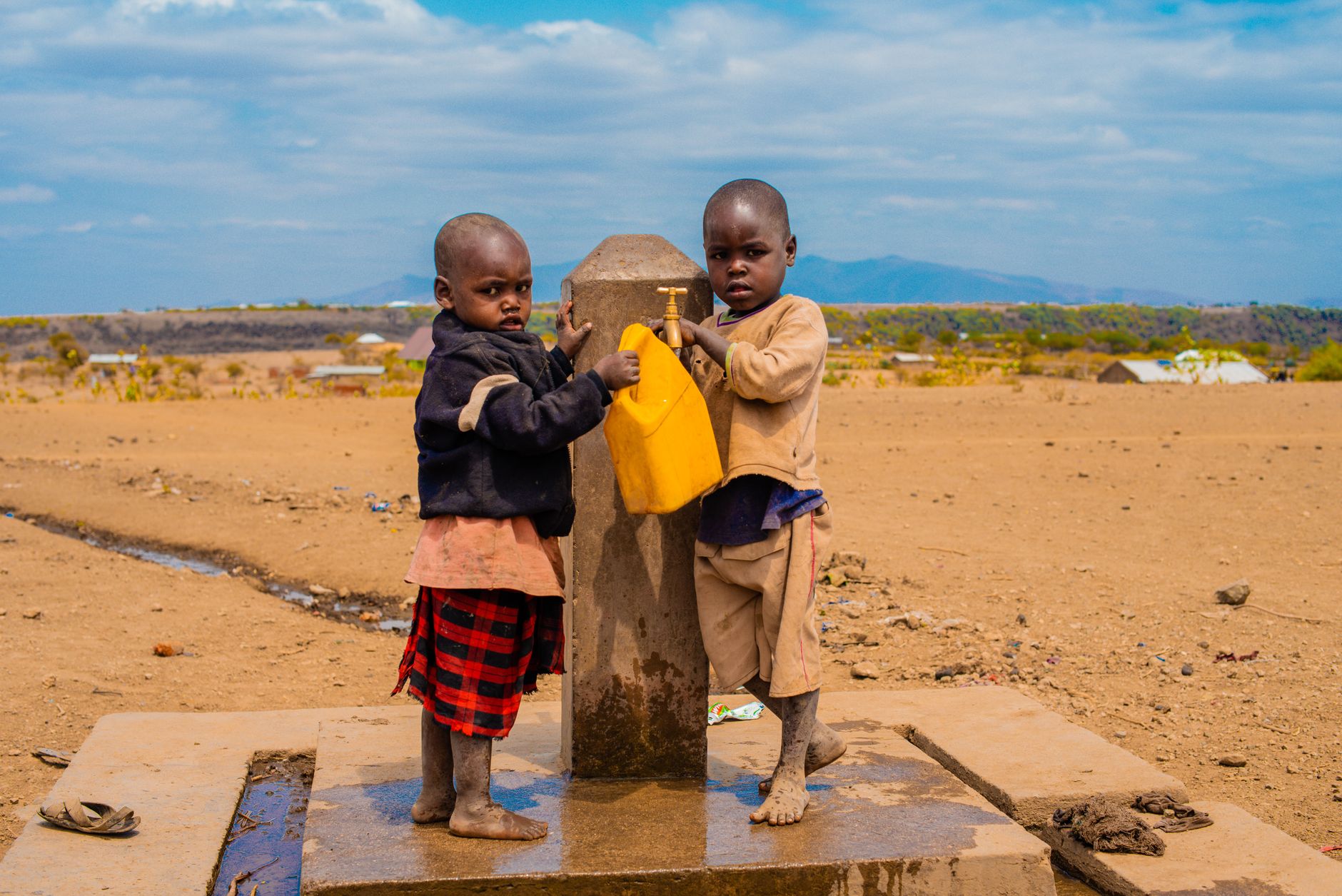
A rehabilitated water point returns hours a day to the women and girls who walk furthest for water.
Install Women's Light Foundation
Add our app to your home screen for faster access, even on a slow connection.
On iPhone or iPad: tap the Share button, then choose "Add to Home Screen".