Water & Sanitation
Clean Water and Sanitation: SDG 6 Explained
SDG 6 promises water and sanitation for all by 2030. The world is not on track, and the reason is less about drilling wells than about what happens to them afterwards.
Sustainable Development Goal 6 commits the world to ensuring the availability and sustainable management of water and sanitation for all by 2030. It sits within the seventeen goals adopted by the United Nations in 2015, and it is one of the goals that almost every other one depends on — health, education, gender equality, decent work and poverty reduction all move when water moves, and stall when it does not.
Global progress reporting is consistent on one point: the world is not on track. Meeting the 2030 target would require rates of progress several times current levels in most regions, and considerably more than that in sub-Saharan Africa.
What the goal actually contains
SDG 6 is usually reduced to "clean water and sanitation", which understates it. It has eight targets, and the later ones are the ones most often ignored.
- 6.1 — universal, equitable access to safe and affordable drinking water.
- 6.2 — adequate and equitable sanitation and hygiene for all, ending open defecation, with particular attention to women, girls and people in vulnerable situations.
- 6.3 — improved water quality by reducing pollution and halving the proportion of untreated wastewater.
- 6.4 — increased water-use efficiency and reduced water scarcity.
- 6.5 — integrated water resources management, including across borders.
- 6.6 — protection and restoration of water-related ecosystems.
- 6.a — international cooperation and capacity building.
- 6.b — support for local community participation in water and sanitation management.
Target 6.2 is the only one in the entire goal framework that names women and girls explicitly in relation to sanitation. That is not decorative. It reflects that the consequences of inadequate sanitation are distributed by gender, and that a programme which does not design for that distribution will not deliver for half the population it counts.
Basic is not the same as safely managed
Global monitoring uses a service ladder, and the difference between its rungs is where most misunderstanding of the statistics comes from.
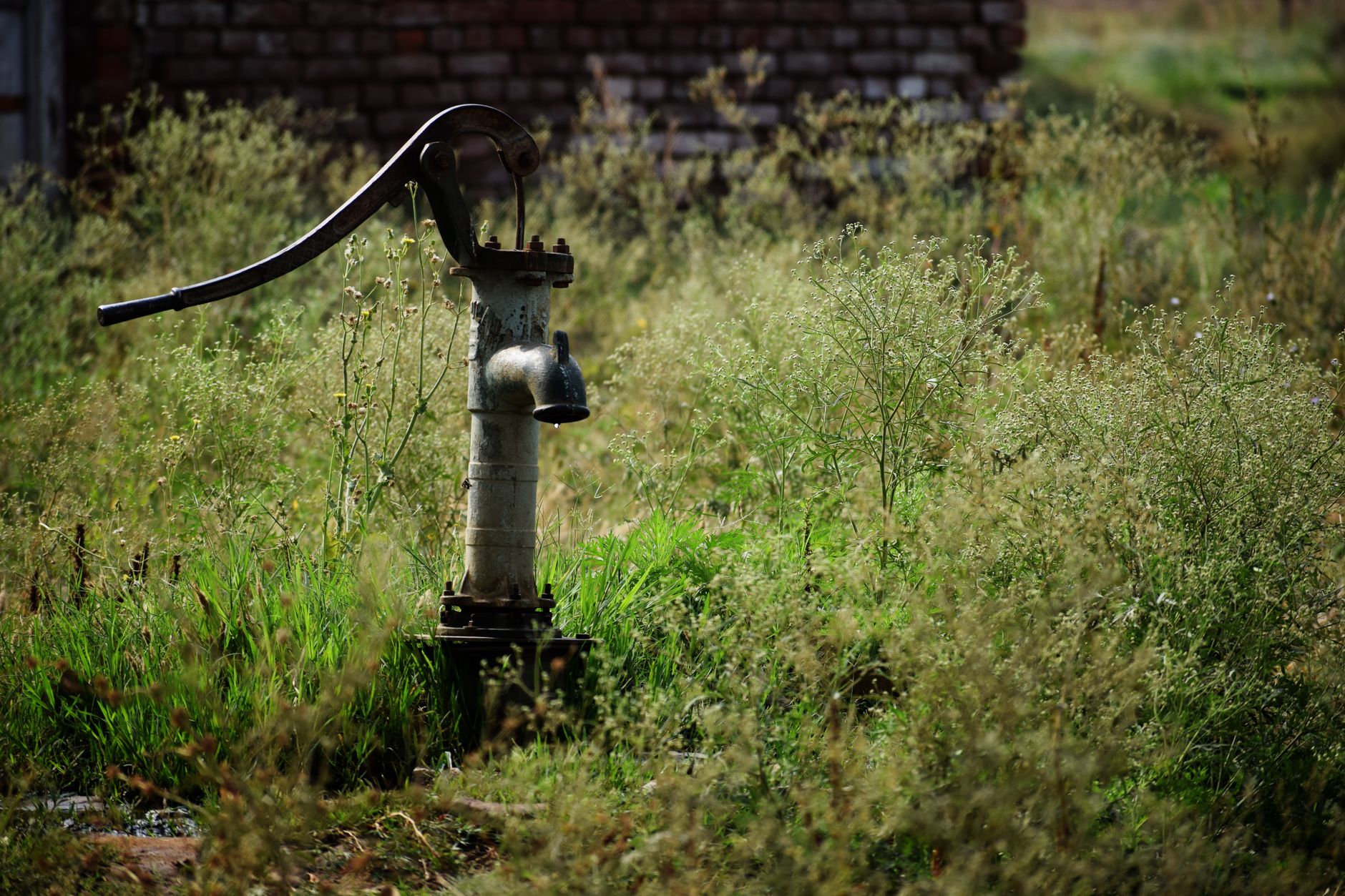
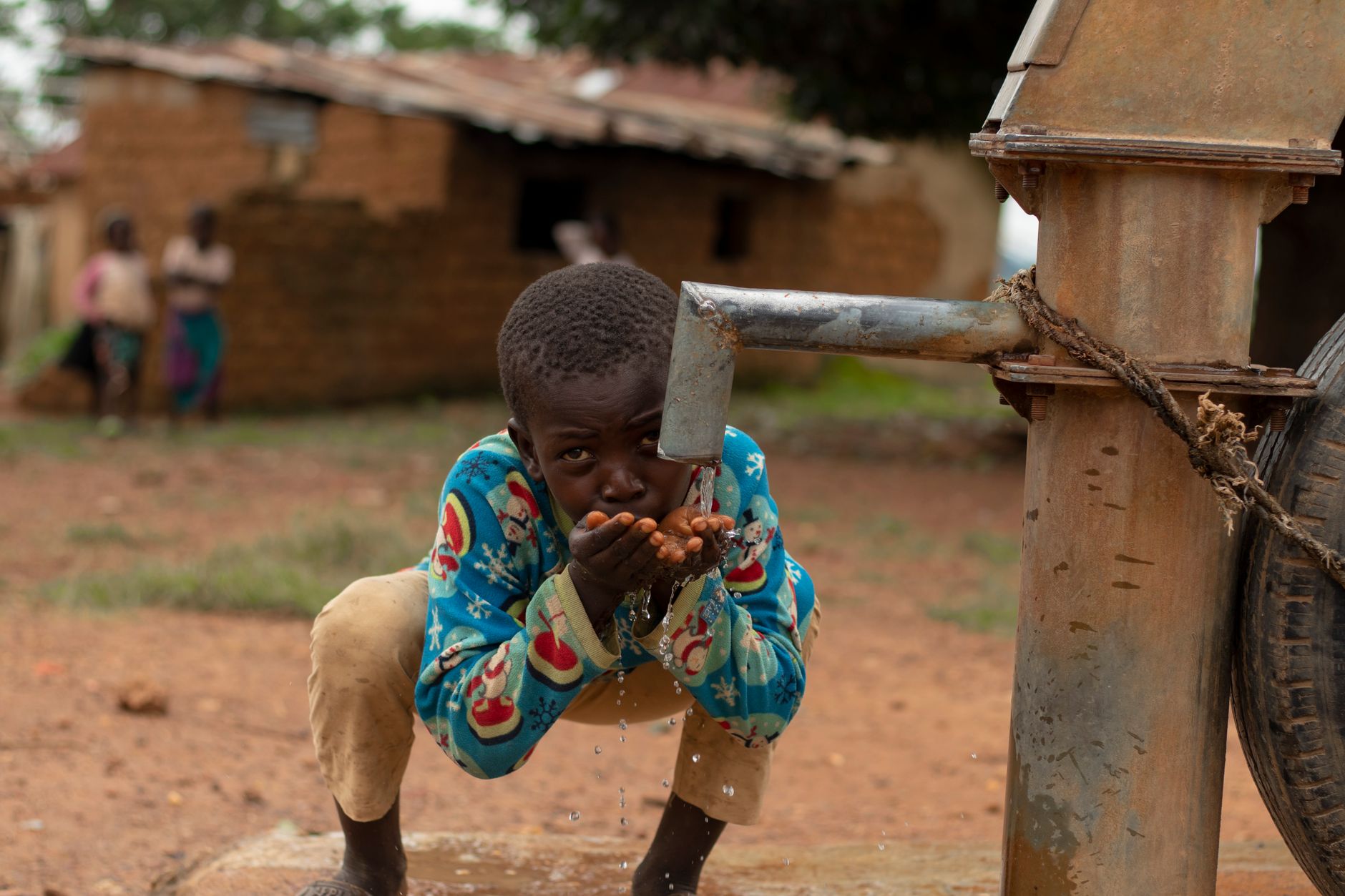
A basic drinking water service means an improved source — a piped supply, a borehole, a protected well or spring — within a round trip of thirty minutes including queuing. A safely managed service means an improved source that is on the premises, available when needed, and free from contamination. Those are very different standards. A household with a functioning borehole twenty-five minutes' walk away is counted as having basic service and is a long way from having water.
The same applies to sanitation. Basic means an improved facility not shared with other households. Safely managed additionally requires that the waste is either treated on site or transported and treated elsewhere — which in practice means a great many latrines counted as sanitation improvements are not safely managing anything downstream of the slab.
Why sanitation lags
Sanitation coverage trails water coverage in nearly every country, and it attracts less funding. Several reasons compound. Water is a visible, photogenic, ribbon-cutting intervention and sanitation is not. Water is generally a communal asset while sanitation is household-level, which multiplies the number of units required. And sanitation demand often has to be created rather than met, because a household without a latrine may not regard that as its most pressing problem until the connection to illness is made locally and credibly.

The health consequence of the gap is substantial. Diarrhoeal disease remains among the leading causes of death in children under five, and it is overwhelmingly a water, sanitation and hygiene problem rather than a medical one. Treating the illness without addressing its source produces a cycle that the health system absorbs indefinitely.
Hygiene, the third and quietest component
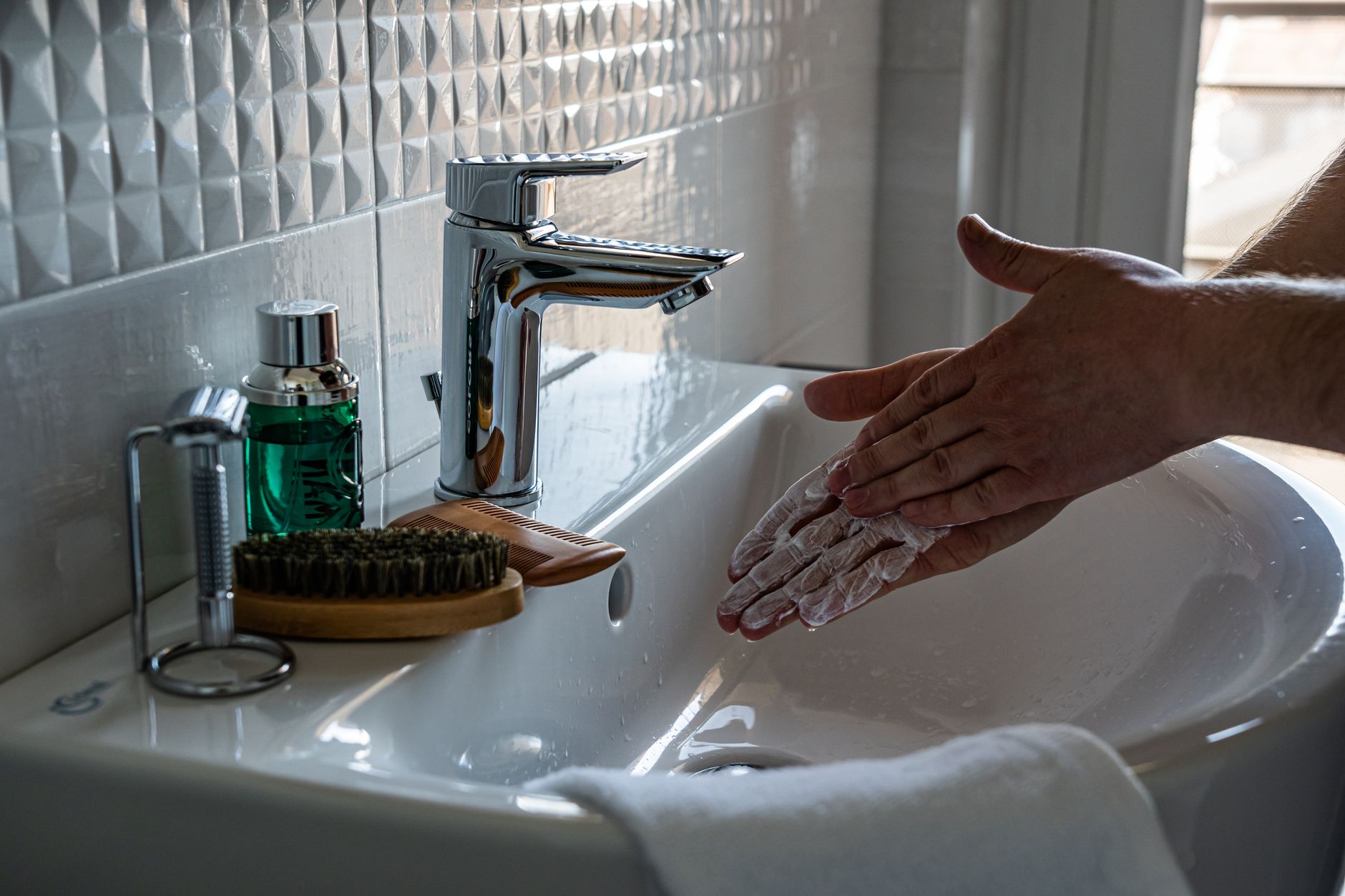
WASH is water, sanitation and hygiene, and hygiene is the component most often dropped when budgets tighten. It is also the cheapest and, per unit of spending, among the most effective. Handwashing with soap at critical times substantially reduces diarrhoeal and respiratory disease, and the requirement is modest: a handwashing facility with water and soap present, and the habit of using it.
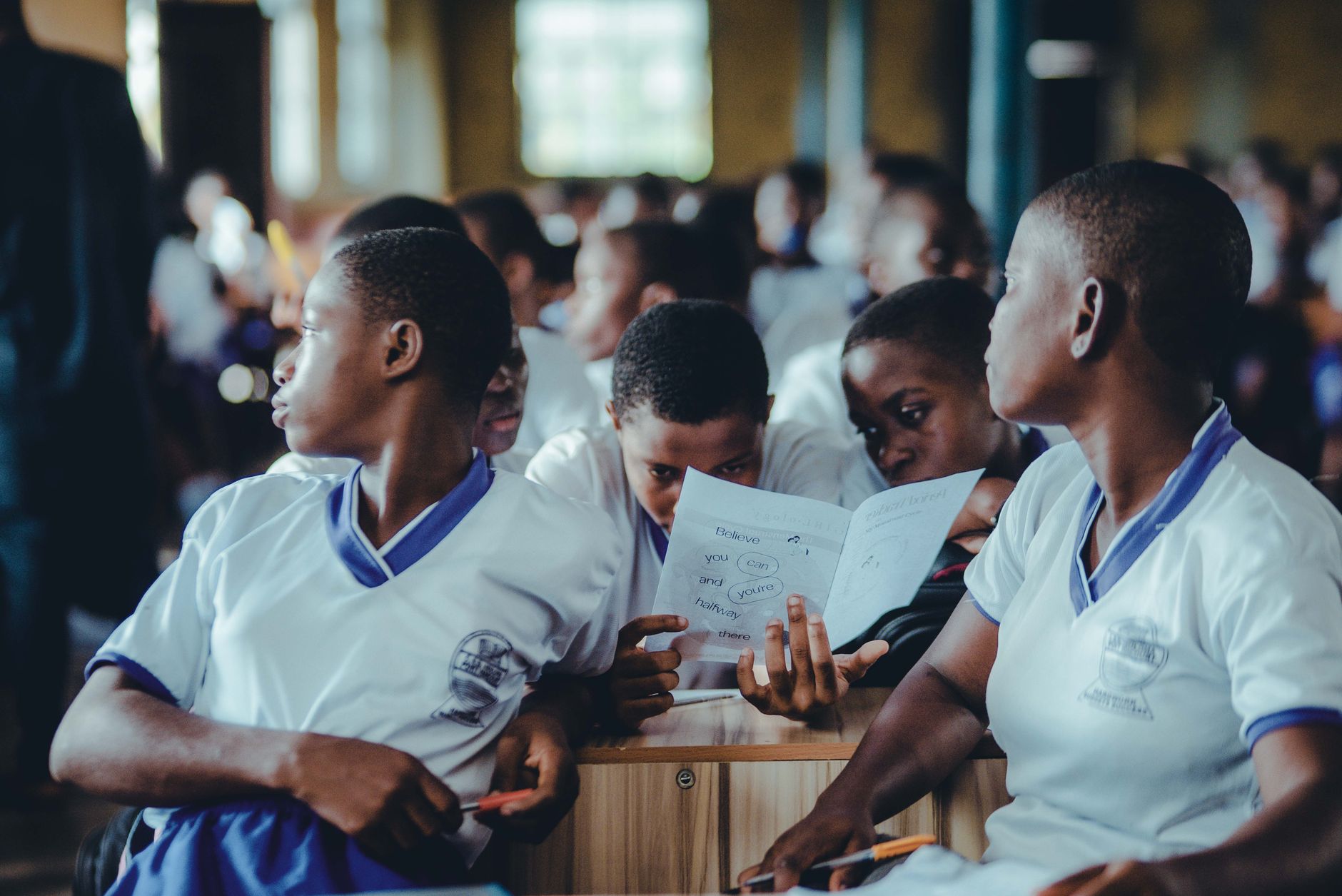
Menstrual hygiene management sits in this component too, and it is where the educational consequence concentrates. A school without water, without a private lockable latrine and without a means of disposal is a school where adolescent girls miss several days a month. That absence compounds into lower attainment and, eventually, non-completion — a sequence that will usually be attributed to almost anything other than the latrine.
What makes water infrastructure last
The failure is rarely the drilling. It is the absence of a system around it. The components are unglamorous and well understood.
- A trained management committee with named responsibilities — and with women in decision-making roles, not only in the labour of collection.
- A commercial spare-parts route that exists independently of the implementing organisation.
- A maintenance tariff agreed before construction, not improvised after the first breakdown.
- Repair skills held locally, so a failed pump is a week's problem rather than a year's.
- Continued water quality testing after handover.
- Siting decided with the women who will walk the route, who know which stretches are unsafe and at which hours.
Our own test for any intervention is whether it would still be working two years after the funding ends. Water points are the hardest case for that test and the most honest one, because the answer is visible to the whole community and cannot be written up favourably in a report.
Where this connects
SDG 6 is not a standalone goal and treating it as one is the most common programming error. Water access determines how many hours a girl has for school. Sanitation determines whether she attends every week of the month. Health outcomes determine how much of a household's income survives illness. And a water committee that includes women in decisions is, incidentally, one of the more durable routes into women holding community authority at all.
Which is why we do not run WASH as a separate vertical. It sits alongside girls' education, livelihoods and violence prevention, and the referrals run between them by design.
Frequently asked questions
What is SDG 6?
Sustainable Development Goal 6 commits to ensuring availability and sustainable management of water and sanitation for all by 2030. It contains eight targets covering drinking water, sanitation and hygiene, water quality, efficiency, resource management, ecosystems, international cooperation and local participation.
What is the difference between basic and safely managed water?
A basic service means an improved source within a thirty-minute round trip including queuing. A safely managed service means an improved source on the premises, available when needed, and free from contamination. Many households counted as having basic service still walk a considerable distance for water.
Why does sanitation lag behind water access?
Sanitation is household-level rather than communal, so many more units are required; it attracts less funding and less visibility; and demand often has to be generated rather than simply met. The result is that coverage trails water in nearly every country.
What does WASH stand for?
Water, sanitation and hygiene. Hygiene is the component most often cut when budgets tighten, despite being the cheapest and among the most cost-effective — handwashing with soap substantially reduces diarrhoeal and respiratory disease.
Why do so many rural water points stop working?
Because the system around the infrastructure was never established: no trained management committee, no commercial spare-parts route, no agreed maintenance tariff, and no locally held repair skill. In many districts, broken water points are a larger practical problem than the absence of water points.
Sources
- Sustainable Development Goal 6: Clean water and sanitation — United Nations
- WHO/UNICEF Joint Monitoring Programme for Water Supply, Sanitation and Hygiene — WHO / UNICEF
- Menstrual Hygiene Day — WASH United
Related reading
Water & Sanitation
Menstrual Hygiene Day: Period Poverty and Why Girls Miss School
Marked every 28 May. Period poverty is not only about the cost of pads — it is about whether a school has water, a door that…
Education
Why Girls' Education Matters — and What Keeps Girls in School
The importance of girls' education is not disputed. What gets less attention is that most girls who drop out leave for reasons…
Water & Sanitation
World Water Day: Why Clean Water Is a Women's Issue
World Water Day is marked every 22 March. The statistic that should define it is not how many people lack clean water, but who…