
Water & Sanitation
World Water Day: Why Clean Water Is a Women's Issue
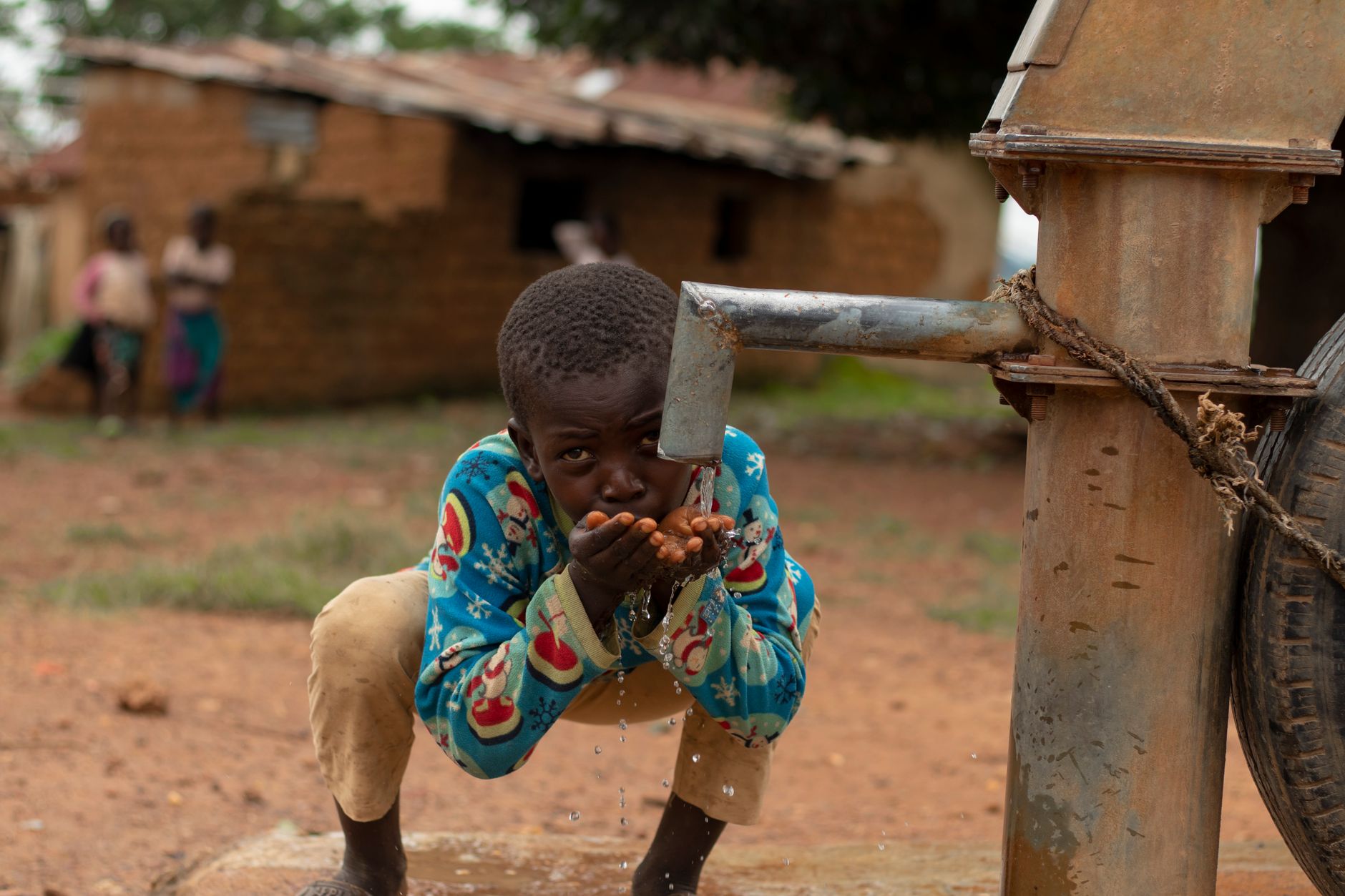
World Water Day is marked every 22 March. The statistic that should define it is not how many people lack clean water, but who walks to fetch it — and what those hours cost them.
World Water Day falls on 22 March every year. It was established by the United Nations General Assembly in 1993 and each year carries a theme — groundwater, valuing water, accelerating change, glaciers — intended to focus attention on one dimension of a problem that is otherwise too large to hold in view.
The headline figures are familiar: roughly two billion people without safely managed drinking water at home, and around half the world's population experiencing severe water scarcity for at least part of the year. Those numbers are true and they are also strangely inert. They describe a shortage without describing who absorbs it.
Who actually fetches the water
When water is not available on the premises, someone has to go and get it. UN and WHO/UNICEF Joint Monitoring Programme data consistently finds that in around seven out of ten households without water on site, that person is a woman or a girl.
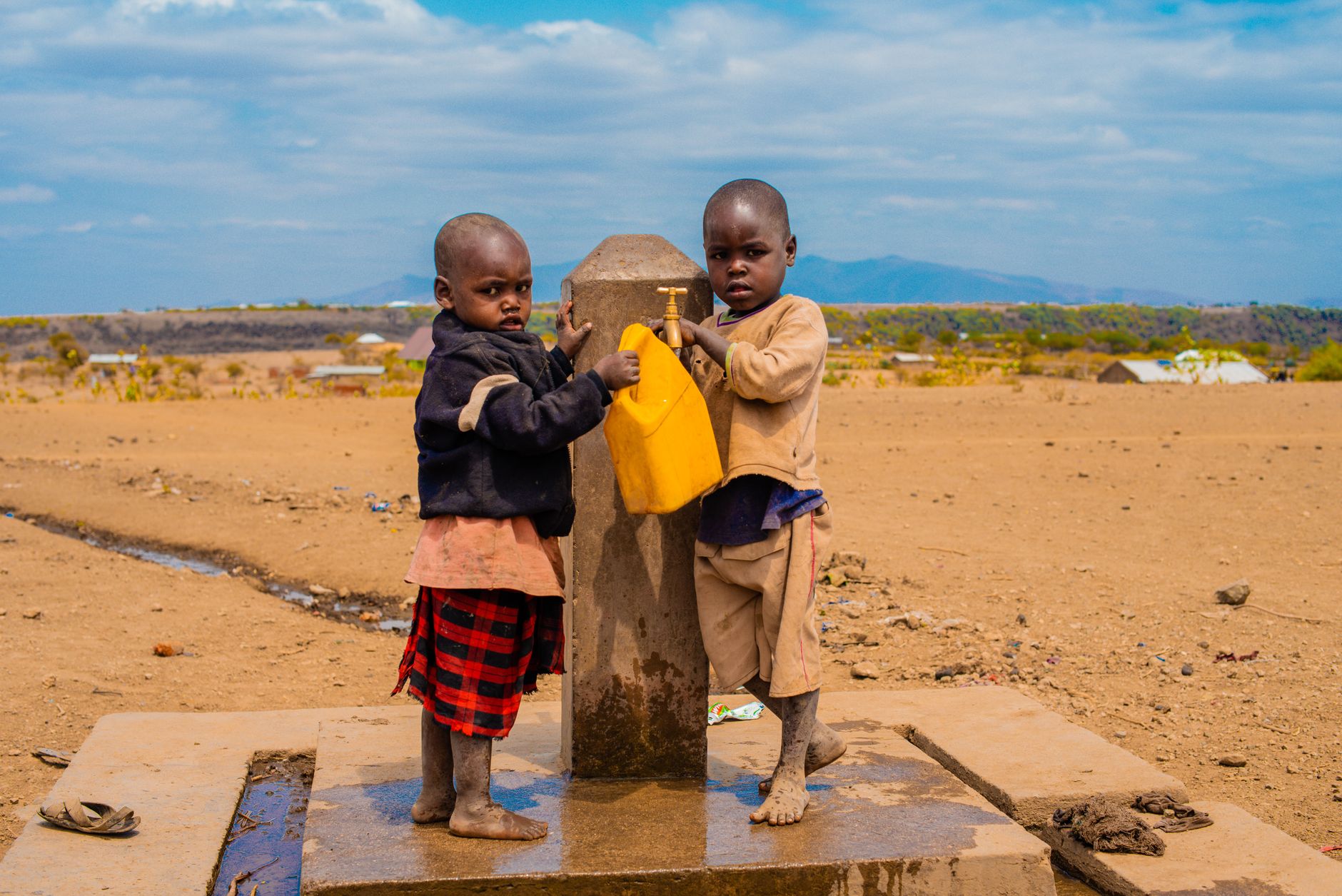
This is the part of the water crisis that the infrastructure statistics tend to leave out, and it converts a shortage into an inequality. A household without a tap does not experience an abstract deficit. It experiences a daily labour requirement, and that requirement is allocated by gender before anything else.
Estimates of the aggregate time involved run into the hundreds of millions of hours globally each day. But aggregate hours are as inert as aggregate people. The useful unit is the individual day: a girl who walks ninety minutes before school and ninety minutes after it is a girl with three hours less than her brother for homework, for rest, for anything at all. Over a school year that difference compounds into a gap in attainment that will be explained, later, by almost any factor except the one that caused it.
The second half of the problem: sanitation
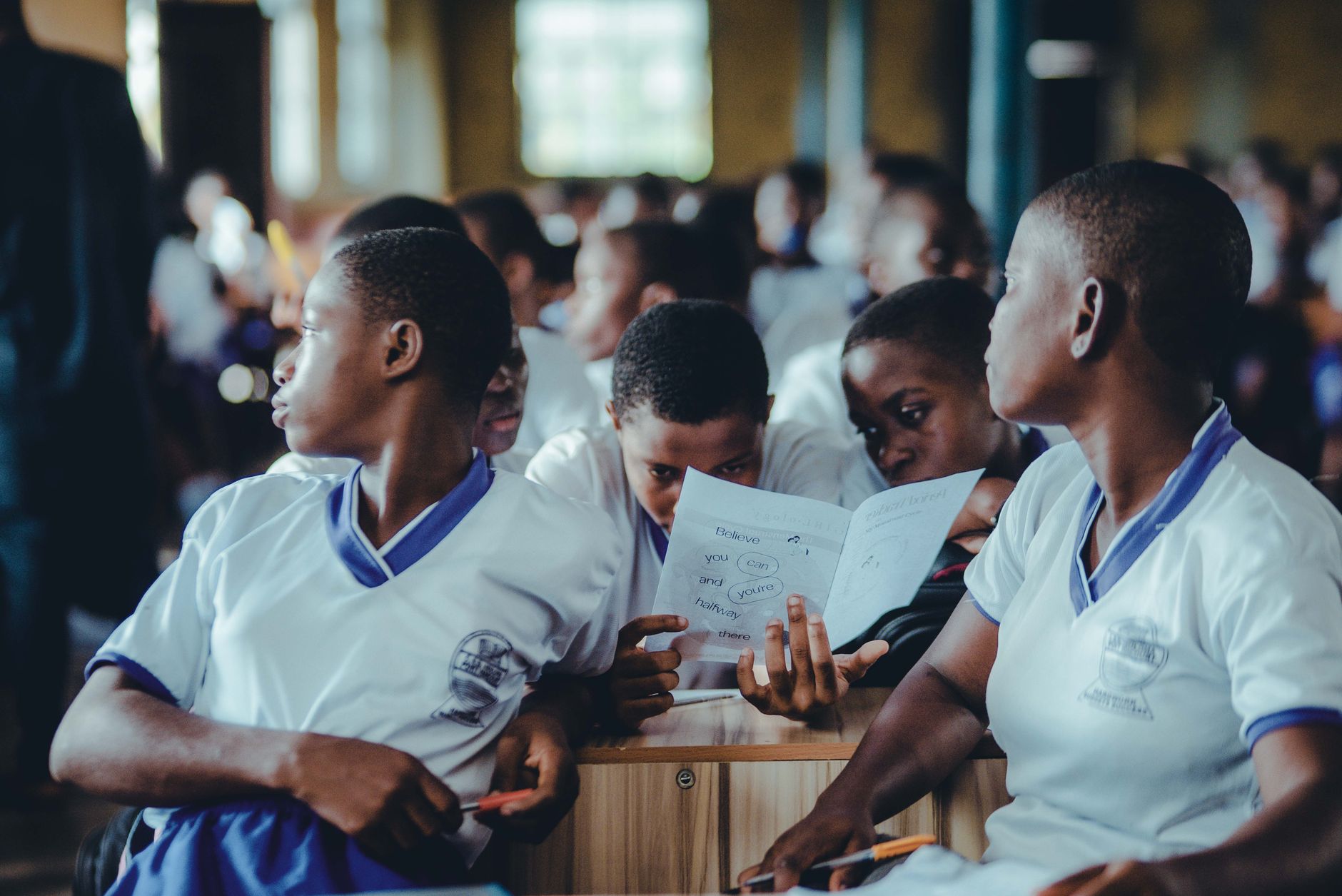
Water gets the attention; sanitation carries much of the consequence. A school without a functioning, private, lockable latrine is a school that adolescent girls stop attending for several days each month. Where there is no water for washing and no safe place to change, menstruation becomes an attendance problem, and an attendance problem becomes a completion problem.
This is why our own WASH programme treats menstrual hygiene management in schools as water infrastructure rather than as a separate health activity. A borehole that serves a school with no latrine solves the smaller half of the problem.
Safety, which is rarely in the statistics
Distance is a protection risk as well as a time cost. Walking to a distant source, queueing at it, and returning — often before dawn or after dusk — exposes women and girls to harassment and assault. In displacement settings the risk is sharper still, and the location of a water point relative to a settlement is a safety decision as much as an engineering one.
This is a concrete reason to involve women in siting decisions rather than consulting them afterwards. The people who will walk the route know which stretches are unsafe, at which hours, and why. That information does not appear in a hydrological survey.
What makes a water point last
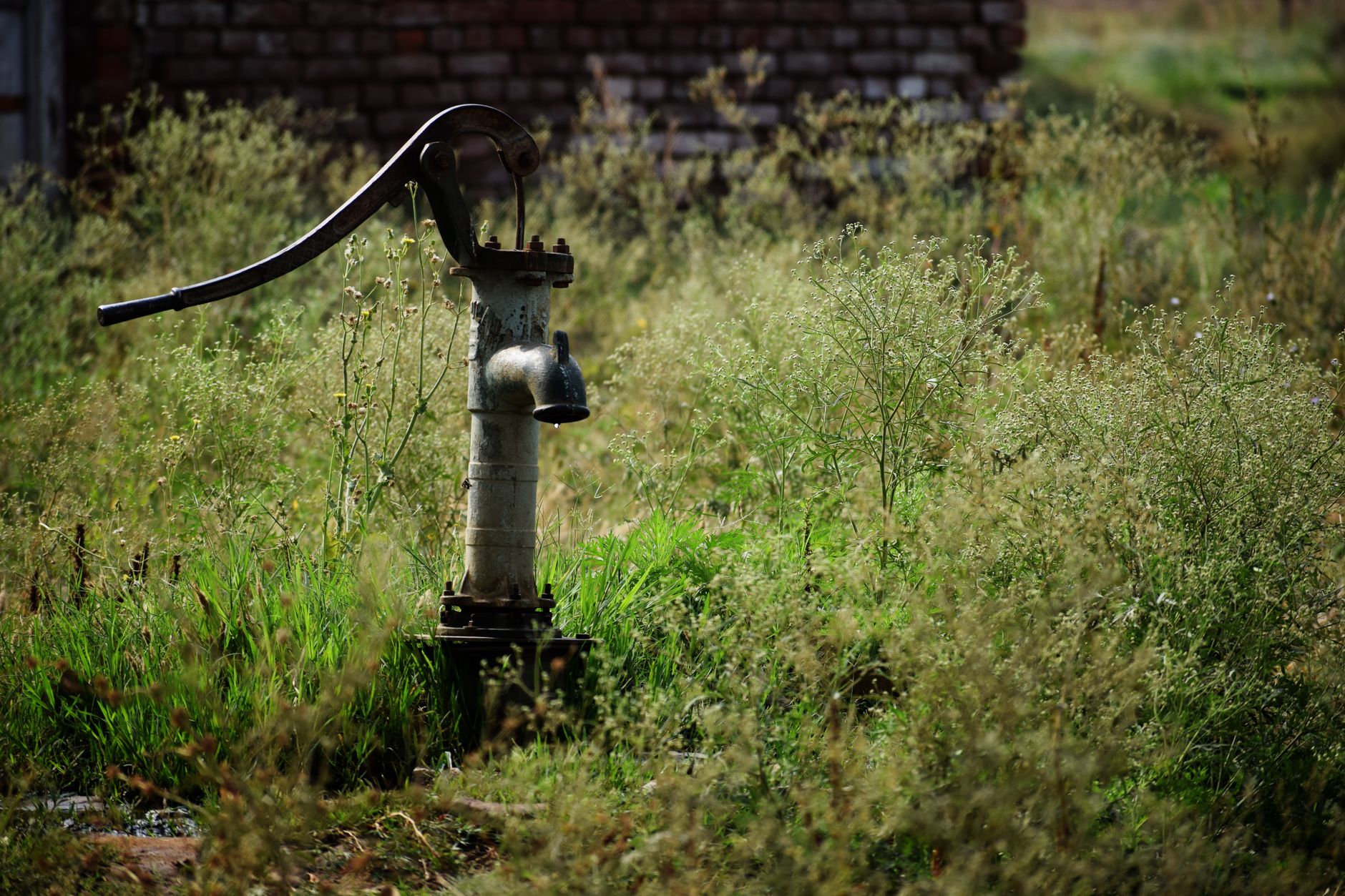
A significant proportion of rural water points across sub-Saharan Africa are non-functional at any given time — estimates vary by country and methodology, but the figure is high enough that broken infrastructure is a larger practical problem than absent infrastructure in many districts. The failure is rarely the drilling. It is what was, or was not, set up around it.
- A trained management committee with named responsibilities, including women in decision-making roles rather than only in maintenance labour.
- A spare-parts supply route that exists commercially and does not depend on the implementing organisation still being present.
- A funding mechanism — usually a small tariff — agreed before construction rather than improvised after the first breakdown.
- A repair skill held locally, so that a failed pump is a week's problem and not a year's.
- Water quality testing that continues after handover.
The test we apply to every intervention is whether it would still be working two years after our funding ends. For water points that test is unusually unforgiving, because the answer is visible to everybody in the community and cannot be written up favourably in a report.
Marking the day usefully
World Water Day generates a great deal of content and comparatively little change, which is a fair criticism of most awareness days. If you want the day to do something, the more useful questions are local and specific: where is the nearest unimproved source in your own district, who walks to it, how long does the walk take, and is the school at the end of that walk equipped for the girls who arrive at it.
Those answers are obtainable. They are also the answers that determine whether a water intervention is designed around a map or around the people who will use it.
Frequently asked questions
When is World Water Day?
World Water Day is held on 22 March every year. It was established by the United Nations General Assembly in 1993 and each year focuses on a specific theme related to water and sanitation.
Why is World Water Day important?
It draws attention to the roughly two billion people without safely managed drinking water at home, and to the fact that water scarcity is not experienced evenly. Where water is not on the premises, the labour of collecting it falls disproportionately on women and girls.
Why is clean water a women's issue?
In around seven out of ten households without water on site, a woman or girl is the person who collects it. That time comes out of schooling, paid work and rest, and the journey itself carries safety risks. Water access therefore shapes girls' education and women's economic opportunity directly.
How does water affect girls' school attendance?
In two ways. Collection time competes directly with school hours and homework. And schools without water and private, lockable latrines see adolescent girls miss several days each month during menstruation, which accumulates into a gap in attainment and eventually in completion.
Why do so many rural water points stop working?
Usually not because of the drilling but because of what was not established around it — a trained management committee, a commercial spare-parts route, an agreed maintenance tariff and a locally held repair skill. Without those, the first breakdown becomes permanent.
Sources
- World Water Day — UN-Water
- WHO/UNICEF Joint Monitoring Programme for Water Supply, Sanitation and Hygiene — WHO / UNICEF
- Sustainable Development Goal 6: Clean water and sanitation — United Nations
Topics
Related reading
Water & Sanitation
Menstrual Hygiene Day: Period Poverty and Why Girls Miss School
Marked every 28 May. Period poverty is not only about the cost of pads — it is about whether a school has water, a door that…
Livelihoods
What Is Economic Empowerment, and What Makes It Last?
Economic empowerment is not income. It is control over income — and the gap between the two is where most livelihoods programmes…
Education
Why Girls' Education Matters — and What Keeps Girls in School
The importance of girls' education is not disputed. What gets less attention is that most girls who drop out leave for reasons…