
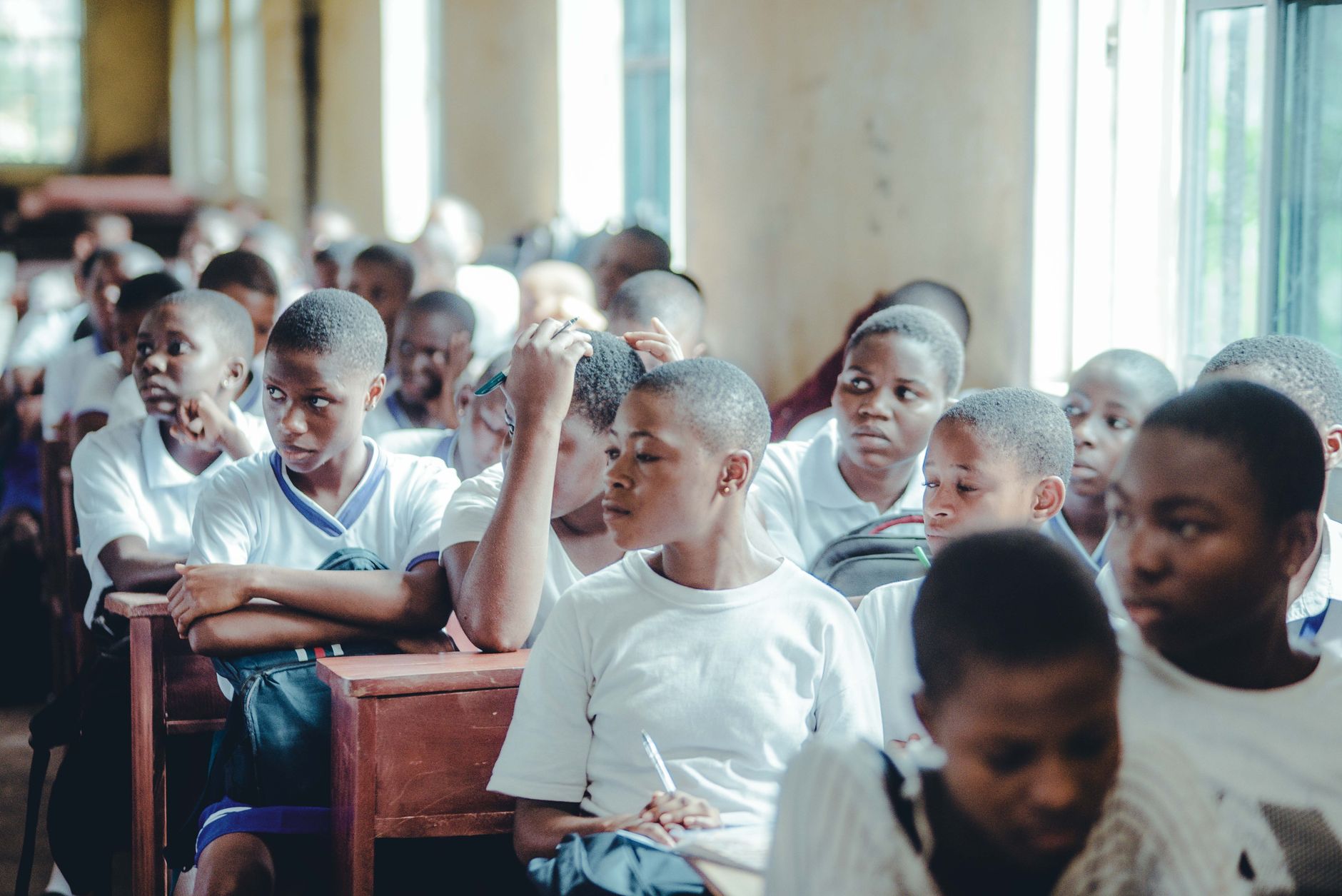
Education
Why Girls' Education Matters — and What Keeps Girls in School
The importance of girls' education is not disputed. What gets less attention is that most girls who drop out leave for reasons that are mundane, local and fixable.
The importance of girls education is one of the few propositions in development that nobody argues with. The evidence is unusually consistent: each additional year of schooling raises a woman's later earnings; maternal education is among the strongest predictors of child survival, nutrition and immunisation; and educated women marry later and have fewer, healthier children.
Because the case is settled, the conversation tends to stop there. It should not, because agreeing that girls should be in school explains nothing about why so many are not — and the reasons are far more ordinary than the framing usually suggests.
Enrolment is not the measure
Gender gaps in primary enrolment have narrowed substantially across much of sub-Saharan Africa, and that progress is real. It also masks the problem, because enrolment counts who starts and says nothing about who finishes.
The gap widens at secondary level, and it widens at a specific point — adolescence. Girls who completed primary school alongside boys begin disappearing from the register between the ages of twelve and sixteen. Anything that measures enrolment rather than completion will record this as success.
Why girls actually leave
- Cost. Fees, uniforms, books and examination charges. Where a household cannot educate every child, the decision frequently falls against the daughter.
- Distance. Secondary schools are further away than primary schools, and a long walk carries a safety risk that families weigh differently for girls.
- Sanitation. A school with no water and no private, lockable latrine is a school adolescent girls stop attending for several days each month.
- Domestic labour. Water collection, childcare and household work compete directly with school hours, and are allocated by gender before anything else.
- Early marriage and pregnancy, which in many places end schooling permanently rather than temporarily.
- Safety, including harassment at school or on the route to it.
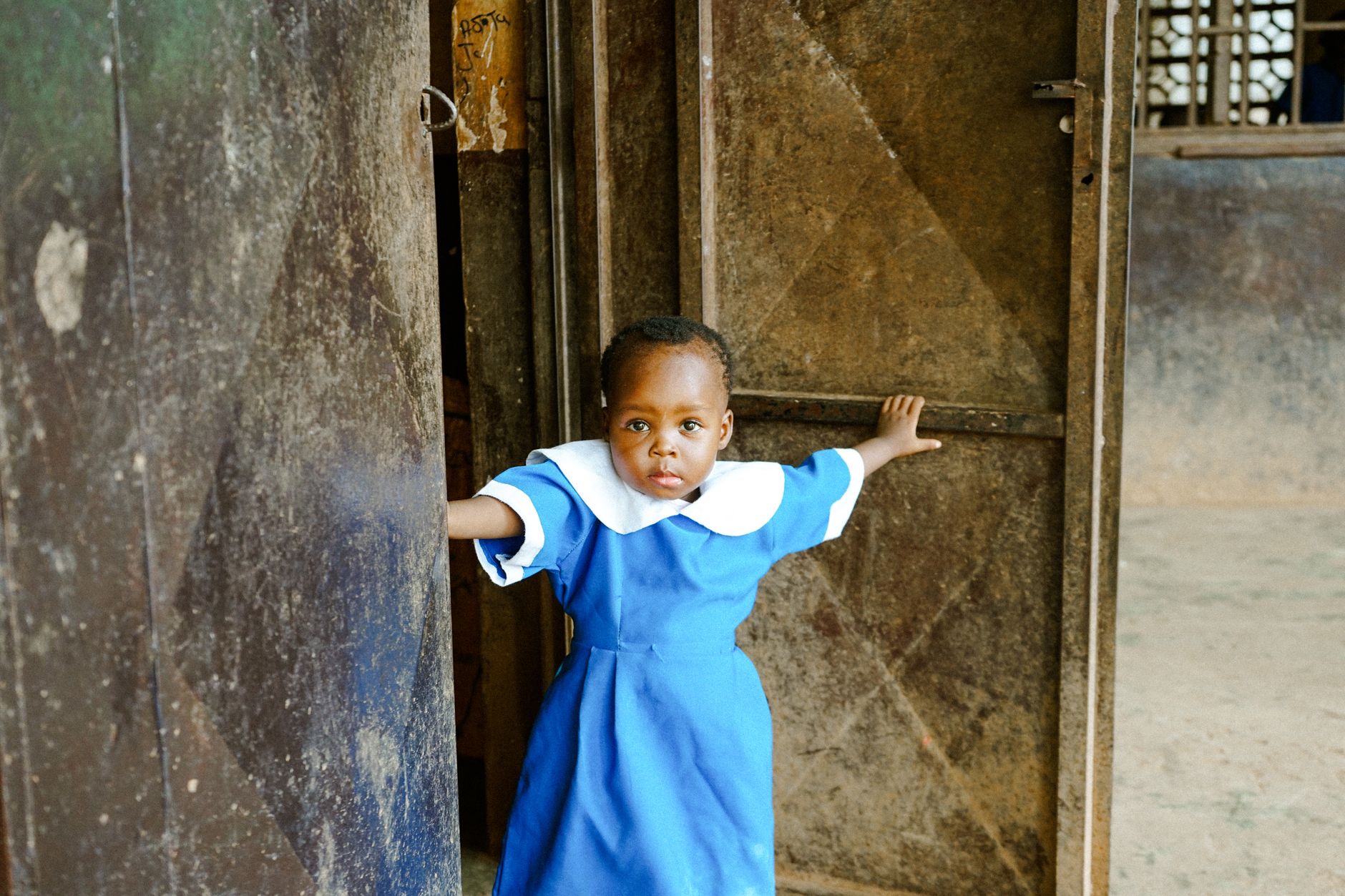
What is striking about this list is how little of it is about attitudes toward educating girls. Most households on it want their daughters in school and are making a constrained decision. Campaigns aimed at persuading families of the value of girls' education address a belief that is often already held.
What works
The interventions with the strongest evidence behind them are unspectacular. Removing the direct cost of attendance — fees, uniforms, materials — produces measurable increases in girls' enrolment and retention. Providing water and private sanitation at school raises attendance. Shortening the distance to a secondary school, or making the journey safer, keeps girls enrolled past the age at which they usually leave.
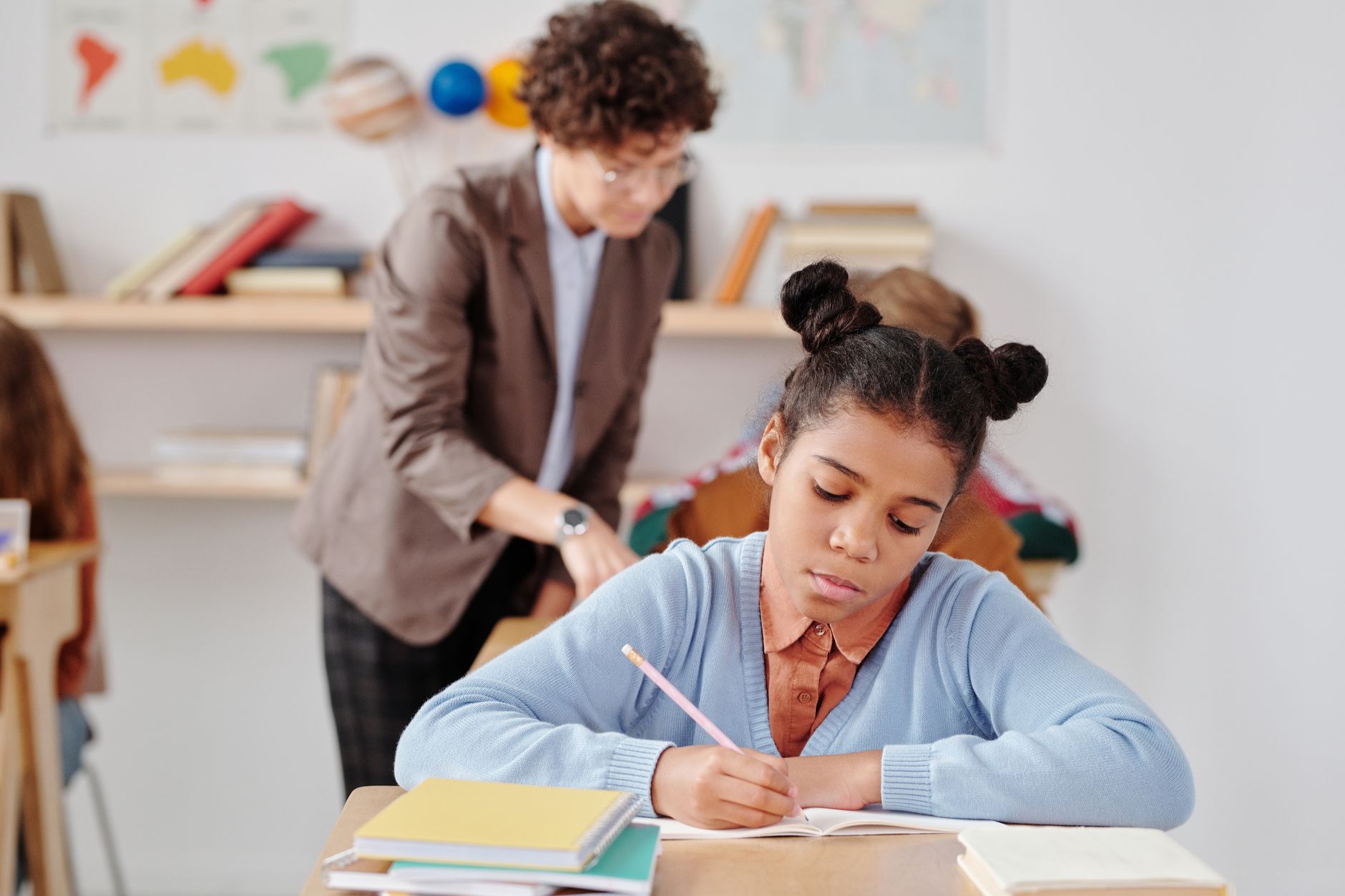
Cash transfers to households conditional on attendance work, and they work better when combined with the supply-side measures above, because a household persuaded to send a daughter to a school with no latrine has solved half the problem.
Our own education work combines bursaries with re-enrolment outreach, adolescent girls' clubs and school partnerships — the combination rather than any single element, because each one fails alone in a predictable way.
Re-enrolment, which is harder than enrolment
Bringing a girl who has already left back into school is more difficult than keeping one who never left. She is older than her classmates, she may have a child, she has lost academic ground, and the circumstance that removed her has usually not changed.
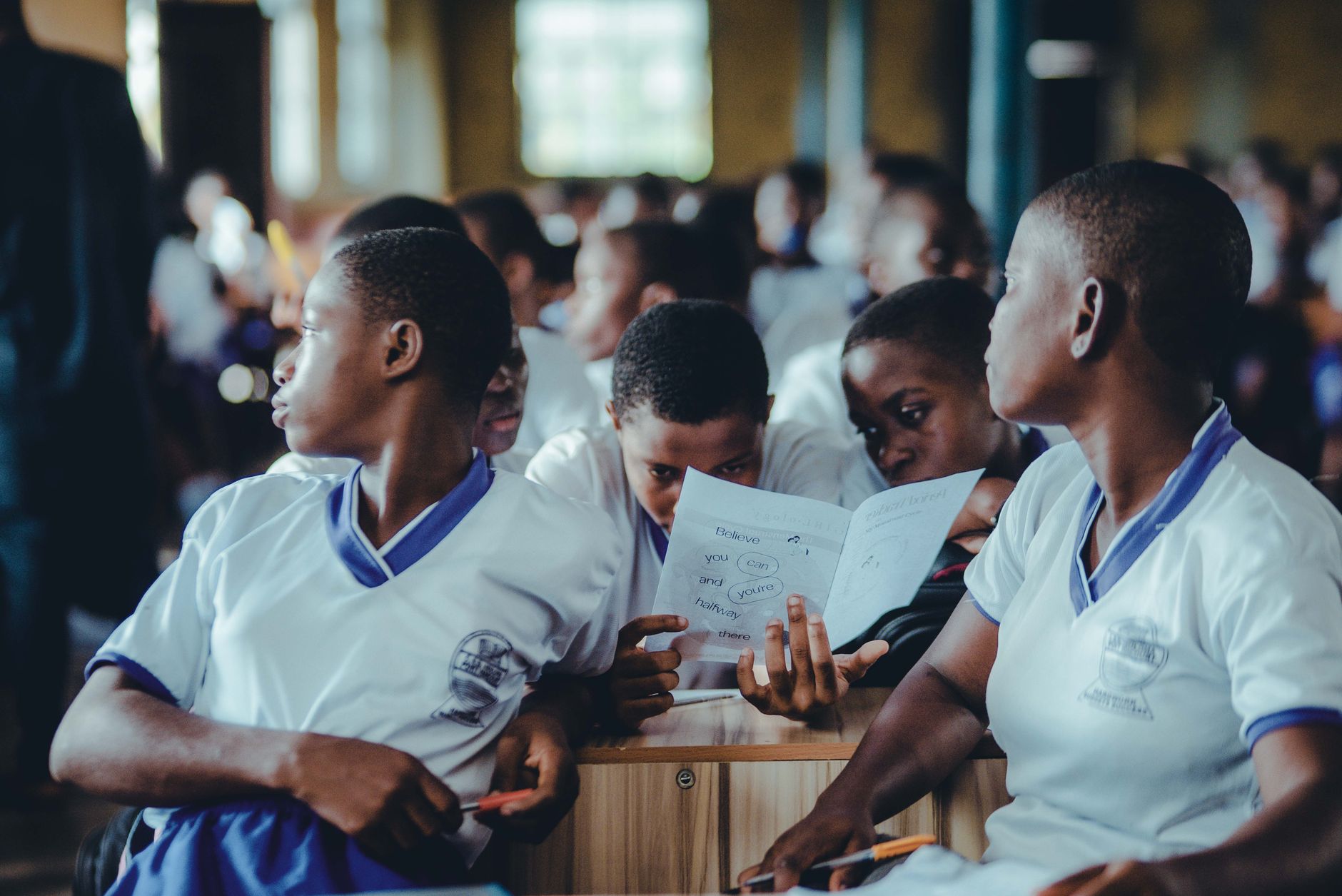
Re-entry policies that formally allow young mothers to return exist in many countries and are frequently not implemented at school level, where a head teacher's discretion decides. Which means the policy work and the individual advocacy have to run together — a right that exists on paper and not in the classroom is not yet a right.
The argument that should not be needed
Most advocacy for girls' education is instrumental: educate girls and you get healthier children, higher household income, faster national growth. Those returns are real and worth citing to a ministry deciding a budget.
They are also not the reason. A girl's claim on an education does not rest on what her schooling will later produce for other people. The development returns are a consequence, and a welcome one. The argument stands without them, and it is worth saying so occasionally — because an entirely instrumental case invites the question of what happens if the returns turn out smaller than advertised.
Frequently asked questions
Why is girls' education important?
Each additional year of schooling raises a woman's later earnings, and maternal education is among the strongest predictors of child survival, nutrition and schooling in the next generation. Educated women also tend to marry later and have fewer, healthier children.
Why do girls drop out of school?
Most commonly for practical reasons: the cost of fees, uniforms and materials; distance to secondary school and the safety of the journey; absent or non-private sanitation; domestic labour competing with school hours; and early marriage or pregnancy.
How does sanitation affect girls' attendance?
A school without water and a private, lockable latrine loses adolescent girls several days each month during menstruation. Across a year that amounts to weeks of missed instruction, and it accumulates into a gap in attainment that is usually attributed to other causes.
What interventions keep girls in school?
Removing the direct costs of attendance, providing water and private sanitation, shortening or securing the journey to secondary school, and household cash transfers conditional on attendance — with the supply-side and demand-side measures used together rather than separately.
Is enrolment a good measure of progress?
No. Enrolment counts who starts and says nothing about who finishes. Gender gaps have narrowed substantially at primary enrolment while the gap at secondary completion remains, because girls leave during adolescence rather than never starting.
Sources
- Girls' and women's education — UNESCO
- Girls' education — World Bank
- Demographic and Health Surveys programme — USAID / ICF
Topics
Related reading
Water & Sanitation
Menstrual Hygiene Day: Period Poverty and Why Girls Miss School
Marked every 28 May. Period poverty is not only about the cost of pads — it is about whether a school has water, a door that…

Livelihoods
What Is Economic Empowerment, and What Makes It Last?
Economic empowerment is not income. It is control over income — and the gap between the two is where most livelihoods programmes…
Water & Sanitation
Clean Water and Sanitation: SDG 6 Explained
SDG 6 promises water and sanitation for all by 2030. The world is not on track, and the reason is less about drilling wells than…