
Livelihoods
What Is Economic Empowerment, and What Makes It Last?
Economic empowerment is not income. It is control over income — and the gap between the two is where most livelihoods programmes quietly fail.
Economic empowerment is the process by which a person gains both the ability to earn and the power to decide what happens to what they earn. Those are two different things, and conflating them is the most expensive mistake in livelihoods programming.
The distinction is easiest to see in a case. A woman joins a tailoring cooperative, completes training, and begins earning a monthly income for the first time. On every indicator a funder typically collects, this is a success: trained, employed, earning. If her husband collects that income each month and decides how it is spent, almost nothing has changed about her position. She has more work and the same authority.
Access versus control
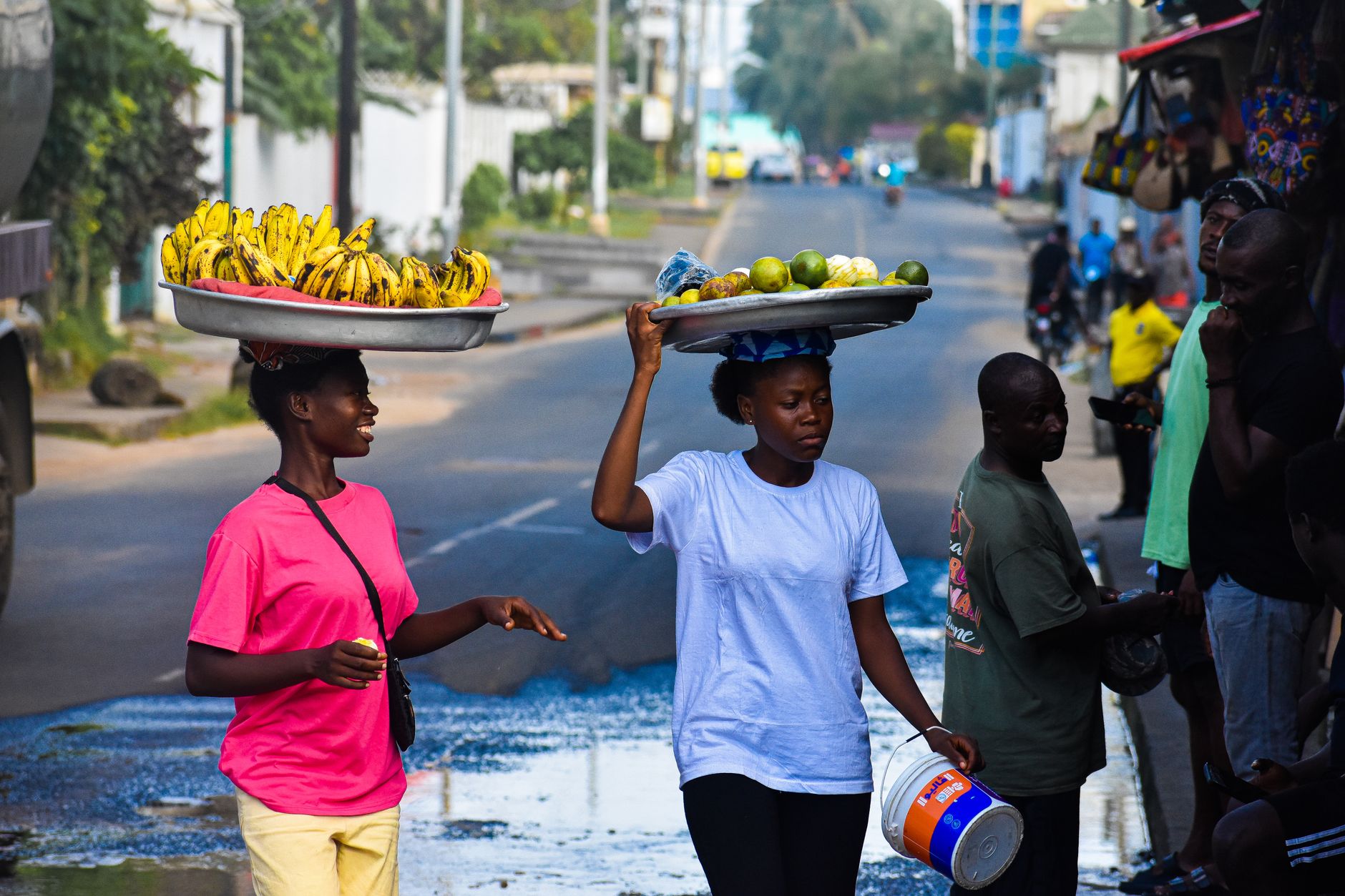
Across much of sub-Saharan Africa women make up the majority of smallholder farmers and informal traders while holding a small fraction of land title, formal credit and agricultural training. They have access to the work. They do not have control over the assets that make work compound into wealth.
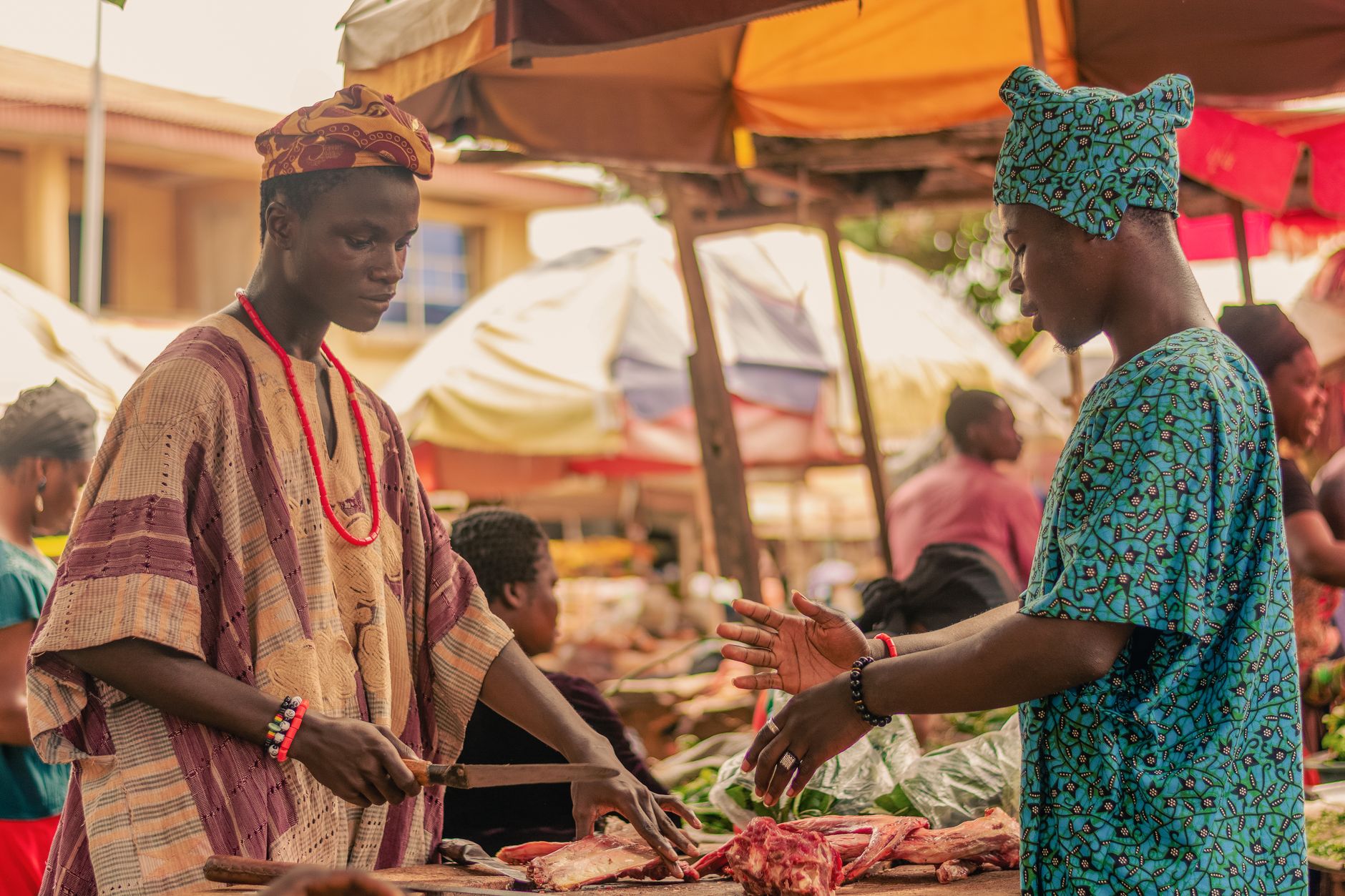
This is why land and inheritance rights sit inside economic empowerment rather than beside it. Without an asset that can be owned, used as collateral and passed on, income remains consumption. With one, income becomes capital. The difference between a woman who trades and a woman who owns the stall she trades from is not effort.
What the components actually are
- Income — earning, and earning enough for the earning to matter after household costs.
- Assets — land, tools, stock, livestock, and anything that holds value between seasons.
- Financial services — a savings mechanism, safe credit, and an account held in her own name.
- Skills — both the trade and the numeracy to price, record and reinvest.
- Markets — buyers reachable at a price that leaves a margin.
- Decision-making power — the say over all of the above, which is the component that converts the others into empowerment.
Programmes tend to deliver the first five and assume the sixth. It is the sixth that determines whether the first five change anyone's life.
Why savings groups work better than they should
Village savings and loan associations look unimpressive next to microfinance: small sums, no external capital, no institution. They also survive at rates that formal schemes rarely match, and the reason is structural rather than financial.
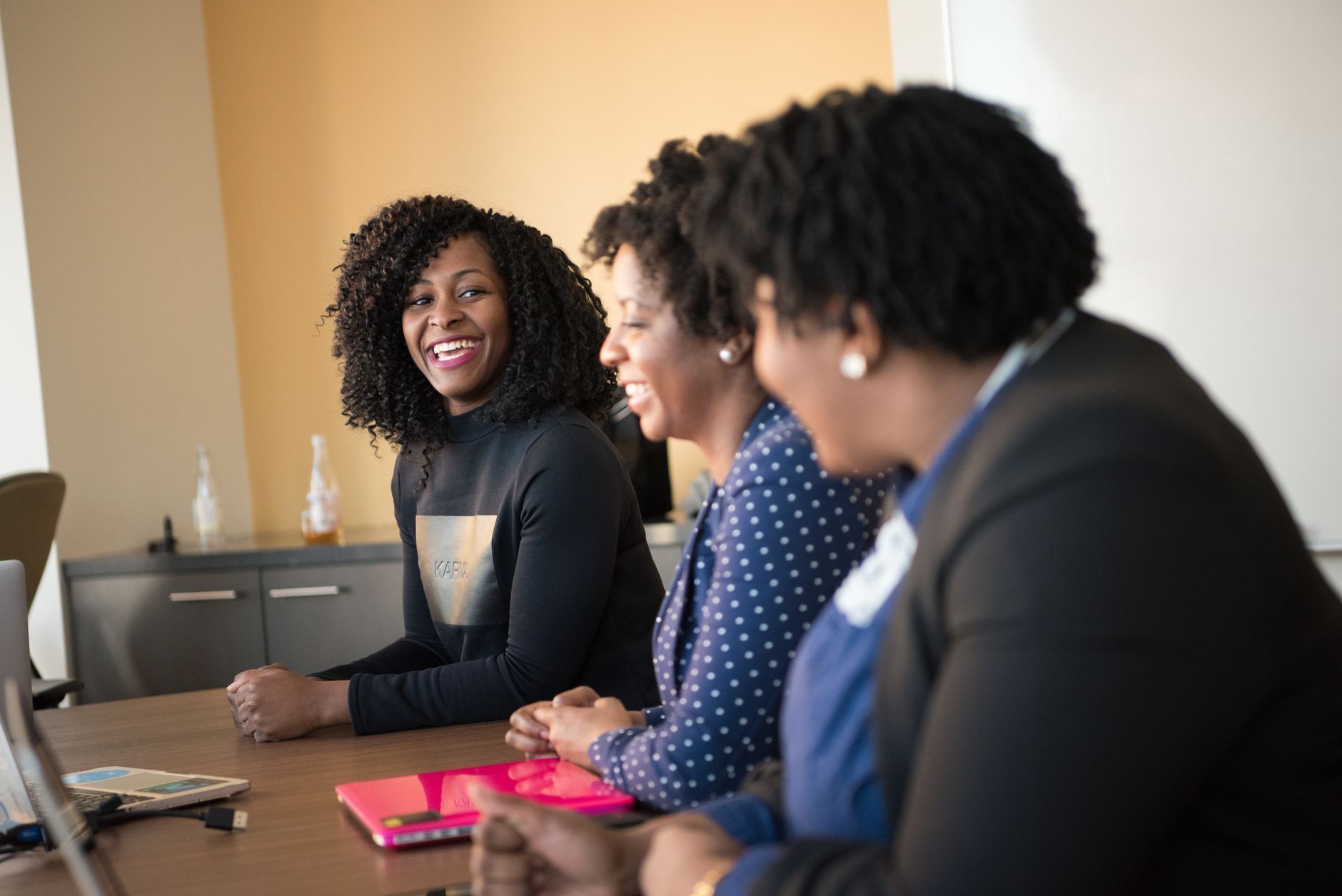
A savings group is a public, regular, collectively governed meeting in which a woman handles money in front of her neighbours. That visibility does something a loan disbursement cannot. It establishes, week after week, that she manages money — to the group, to her household, and to herself. The financial product is modest. The change in standing is not.
Our own livelihoods work is built around that observation. Groups come with financial literacy, and the group itself is designed to keep running after we stop attending.
Sequencing
Order determines outcome as much as content does. Capital handed over before skills exist tends to be consumed rather than invested, and the failure is then read as evidence that the recipient could not handle it. Skills taught without market access produce trained people with nothing to sell into. Market access without working capital produces an opportunity nobody can take.
The sequence that holds is skills, then a savings habit, then capital, then market linkage — with household negotiation running alongside all four rather than after them.
How it is measured
The Women's Empowerment in Agriculture Index measures decision-making over production, resources, income, leadership and time use. Demographic and Health Surveys ask directly about participation in household spending decisions. The World Bank's Global Findex tracks account ownership by gender, which is a crude proxy for control and a useful one.
At programme level, four questions tell you more than any index. Who decides how the money you earn is spent? Do you hold an account in your own name? Can you make a purchase over a certain value without asking permission? Has your workload increased, and did anything else change with it?
That last question is the one most often skipped, and it is the one that catches the programme which has succeeded at generating income and failed at everything else.
What lasting looks like
The test we apply to any intervention is whether it would still be working two years after our funding ends. For economic programmes that means asking whether the savings group still convenes without a facilitator, whether the trade still has buyers when the project vehicle stops arriving, and whether the skills transferred were to a person or to a structure.
Dependency is the failure mode that reports least often, because a programme still running on external support looks exactly like a programme working. The distinction only appears after the support stops, which is precisely when nobody is measuring.
Frequently asked questions
What is economic empowerment?
The process by which a person gains both the ability to earn and the power to decide what happens to what they earn. The second half is what distinguishes empowerment from employment: a woman can earn continuously and be no more empowered if someone else controls the money.
What is the difference between access and control?
Access means being able to use something — to work land, to sell in a market, to take a loan. Control means deciding about it: whether to sell, what to charge, how to spend the proceeds, whether to reinvest. Across much of sub-Saharan Africa women hold high access and low control.
What are the components of economic empowerment?
Income, assets, financial services, skills, market access and decision-making power. Programmes routinely deliver the first five and assume the sixth, which is the one that converts the others into a change in someone's position.
How is economic empowerment measured?
Through instruments such as the Women's Empowerment in Agriculture Index, Demographic and Health Survey questions on household decision-making, and the World Bank's Global Findex on account ownership. At programme level, asking who decides how earned money is spent is more informative than any index.
Can economic programmes cause harm?
Yes. Introducing income into a household can provoke conflict, and in some cases violence, where it disturbs an existing arrangement over who controls money. This is why economic programming should not run in isolation from protection work, and why a Do No Harm assessment belongs before the first disbursement.
Sources
- Facts and figures: Economic empowerment — UN Women
- Women's Empowerment in Agriculture Index — International Food Policy Research Institute
- The Gender Gap in Financial Inclusion (Global Findex) — World Bank
Related reading
Education
Why Girls' Education Matters — and What Keeps Girls in School
The importance of girls' education is not disputed. What gets less attention is that most girls who drop out leave for reasons…
Water & Sanitation
World Water Day: Why Clean Water Is a Women's Issue
World Water Day is marked every 22 March. The statistic that should define it is not how many people lack clean water, but who…
Gender Justice
What Is Women's Empowerment? Definition, Types and Why It Matters
Women's empowerment means expanding a woman's ability to make choices that shape her own life — and then to act on them. The…