Water & Sanitation
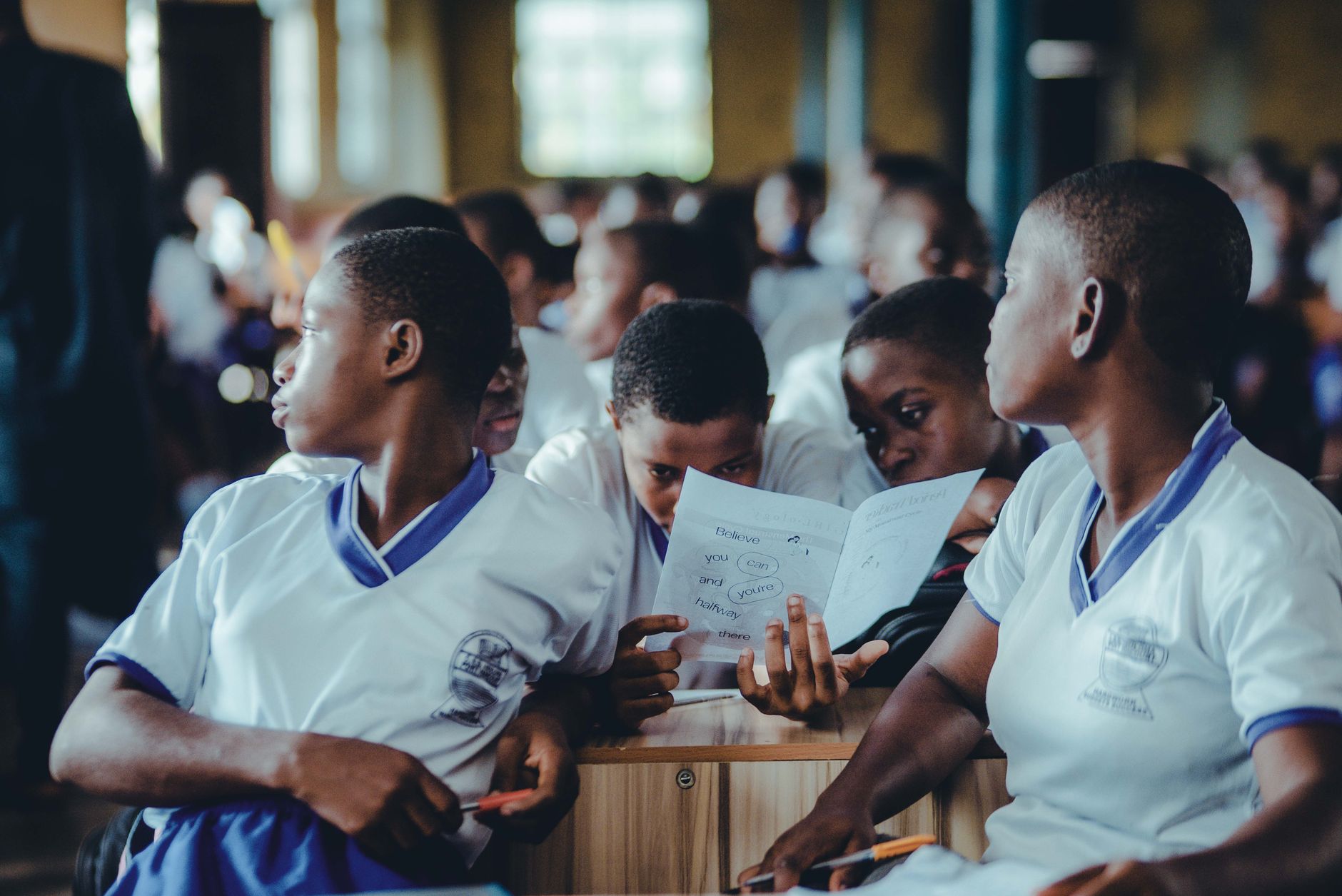
Menstrual Hygiene Day: Period Poverty and Why Girls Miss School
Marked every 28 May. Period poverty is not only about the cost of pads — it is about whether a school has water, a door that…
Accessibility
Text size
Display
Your choices are remembered on this device.
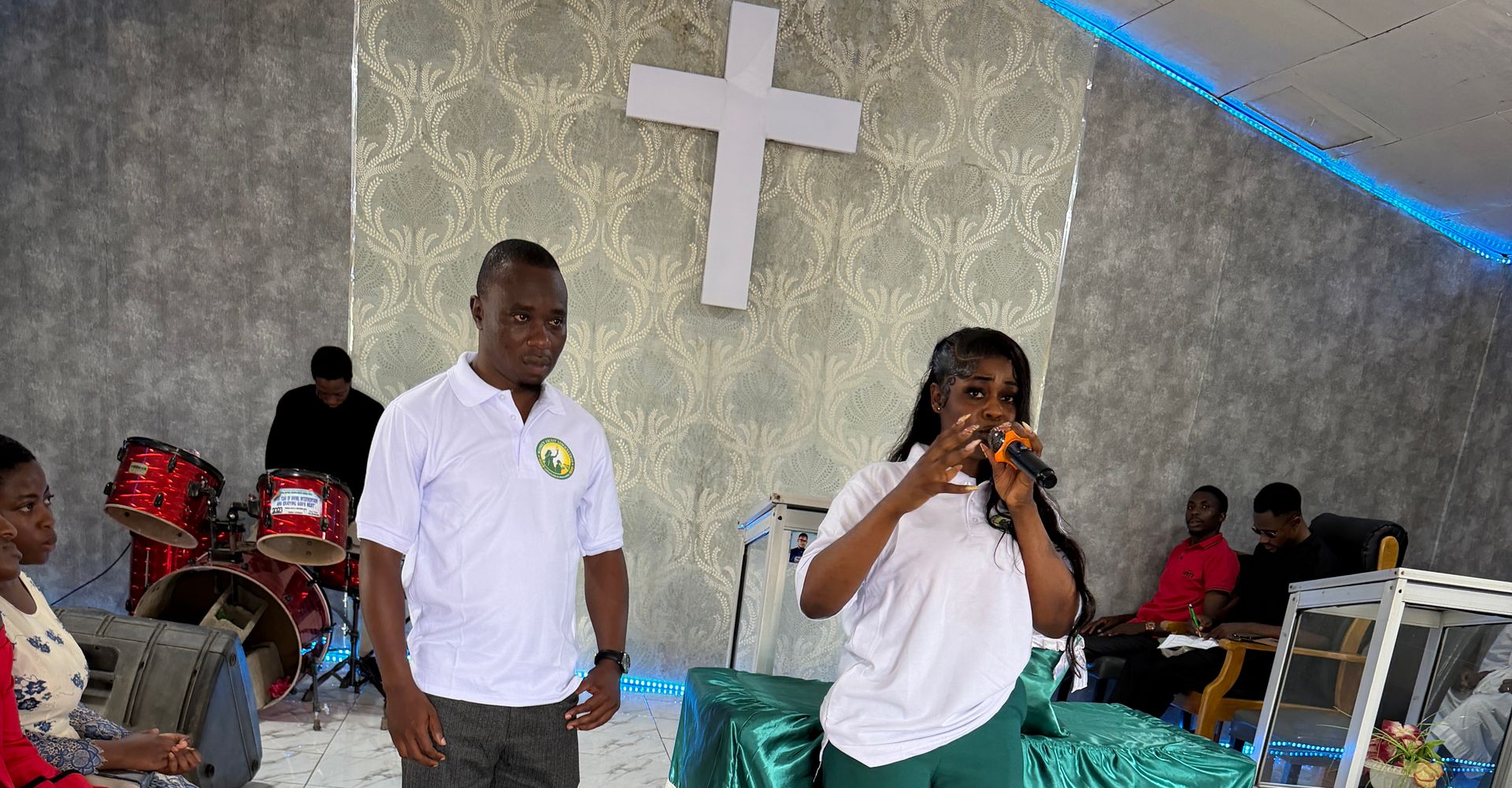
Every woman and girl has the right to decide freely about her own body, health and future. Our newest pillar works to give women, girls and adolescents accurate information, a route to health services, and protection from violence and harmful practices.
467
Pregnancy-related deaths per 100,000 births in Cameroon (DHS 2018)
1 in 3+
Women aged 25–49 who were married before the age of 18 (DHS 2018)
23%
Married women with an unmet need for family planning (DHS 2018)
The challenge
Sexual and reproductive health and rights are among the most critical, and most underfunded, priorities for women and girls in Cameroon. National and international commitments exist, yet many women and girls still cannot get accurate information, reach a health service in time, or make decisions about their own bodies free from pressure.
Female genital mutilation is uncommon in Cameroon as a whole, but persists in some communities. Post-rape care — including emergency contraception and HIV post-exposure prophylaxis, which must be given within 72 hours — is often out of reach in rural areas.
Our six existing pillars already meet the consequences: survivors of violence who need post-rape care, girls who leave school because they are pregnant, mothers without access to family planning, and menstrual hygiene in schools. SRHR gives these needs a dedicated response.
Source: Cameroon 2018 Demographic and Health Survey, Summary Report (Institut National de la Statistique and ICF).
Six areas of work, each linked to the pillars that already reach the same women and girls.
01
Encouraging pregnant women to attend at least four antenatal visits and to give birth with a skilled attendant; post-natal care and nutrition education; community-to-facility referral routes for obstetric emergencies; and training traditional birth attendants on hygiene, safe practice and danger signs.
02
Community education on the modern methods legally available in Cameroon; dialogues that address myths and stigma; engaging men and boys in shared responsibility; and linking women to family planning services, including after childbirth — so that each woman can choose freely the number, timing and spacing of her children.
03
Age-appropriate, rights-based education for adolescents aged 10–19 in schools and communities; trained peer educators; life skills for girls; safe spaces to ask questions without judgement; accurate, stigma-free content through the founder's social media; and support for pregnant adolescents to stay in school.
04
Making sure survivors can reach emergency care within 72 hours, including emergency contraception and HIV post-exposure prophylaxis where available; training health workers, teachers and community leaders to recognise and refer cases; psychosocial support; and campaigns that treat sexual violence as a crime, not a private matter.
05
Prevention campaigns for young women aged 15–24; condom promotion through health facilities and outreach points; encouraging voluntary HIV testing; awareness of how to prevent mother-to-child transmission; education on sexually transmitted infections; and reducing the stigma faced by people living with HIV.
06
Community campaigns with traditional and religious leaders as allies; education on the health consequences of FGM; reframing a girl's education as the best investment in her future; awareness of the Cameroonian laws that protect girls; support for survivors; and documenting cases for advocacy.
Who we serve
Every person has the right to a safe and healthy sexual and reproductive life, regardless of age, marital status, social class or where they live. Priority goes to those with the least access to information and services.
All SRHR activities comply with Cameroonian law and respect community values, without compromising the rights and dignity of women and girls. Information is accurate and age-appropriate, consent and confidentiality are absolute, and the Foundation refers people to qualified health providers rather than offering medical care itself.
Targets drawn from our organisational framework, with the horizon against which we will report progress.
Connections
| Pillar | Where SRHR connects |
|---|---|
| GBV prevention and response | Post-rape care, emergency contraception and HIV post-exposure prophylaxis for survivors; psychosocial support. |
| Girl-child education | Sexuality education in schools, peer educators, and support for pregnant adolescents to stay in school. |
| Water, sanitation and hygiene | Menstrual hygiene, and the hygiene that safe deliveries and newborn care depend on. |
| Women's livelihoods | Savings groups as trusted places for SRHR information; family planning that lets women invest in their futures. |
| Environment and climate | Displacement raises the risk of violence and cuts access to maternal care; SRHR work responds to both. |
| Advocacy and research | Evidence on teenage pregnancy, FGM, maternal health and HIV feeds our policy work. |
Budget
Our indicative annual budget for the SRHR pillar is XAF 34,000,000 (about USD 56,700). It is an estimate, not secured funding: it will be refined through needs assessments, the communities we work in, and discussions with funders.
| Area | Estimated annual cost |
|---|---|
| Maternal health and safe motherhood | 4,500,000 |
| Family planning and contraception | 3,000,000 |
| Adolescent sexual and reproductive health | 5,000,000 |
| Post-rape care and GBV linkages | 4,000,000 |
| HIV and STI prevention | 3,500,000 |
| Ending FGM and child marriage | 3,000,000 |
| SRHR staffing and coordination | 6,000,000 |
| Research, advocacy and information materials | 3,000,000 |
| Monitoring, evaluation and learning | 2,000,000 |
| Total | 34,000,000 |
Information in a girl's own language, a referral to a midwife, a survivor reaching care within 72 hours. Small, practical steps that change what happens next.
Install Women's Light Foundation
Add our app to your home screen for faster access, even on a slow connection.
On iPhone or iPad: tap the Share button, then choose "Add to Home Screen".