Livelihoods
What Is Economic Empowerment, and What Makes It Last?
Economic empowerment is not income. It is control over income — and the gap between the two is where most livelihoods programmes…
Accessibility
Text size
Display
Your choices are remembered on this device.
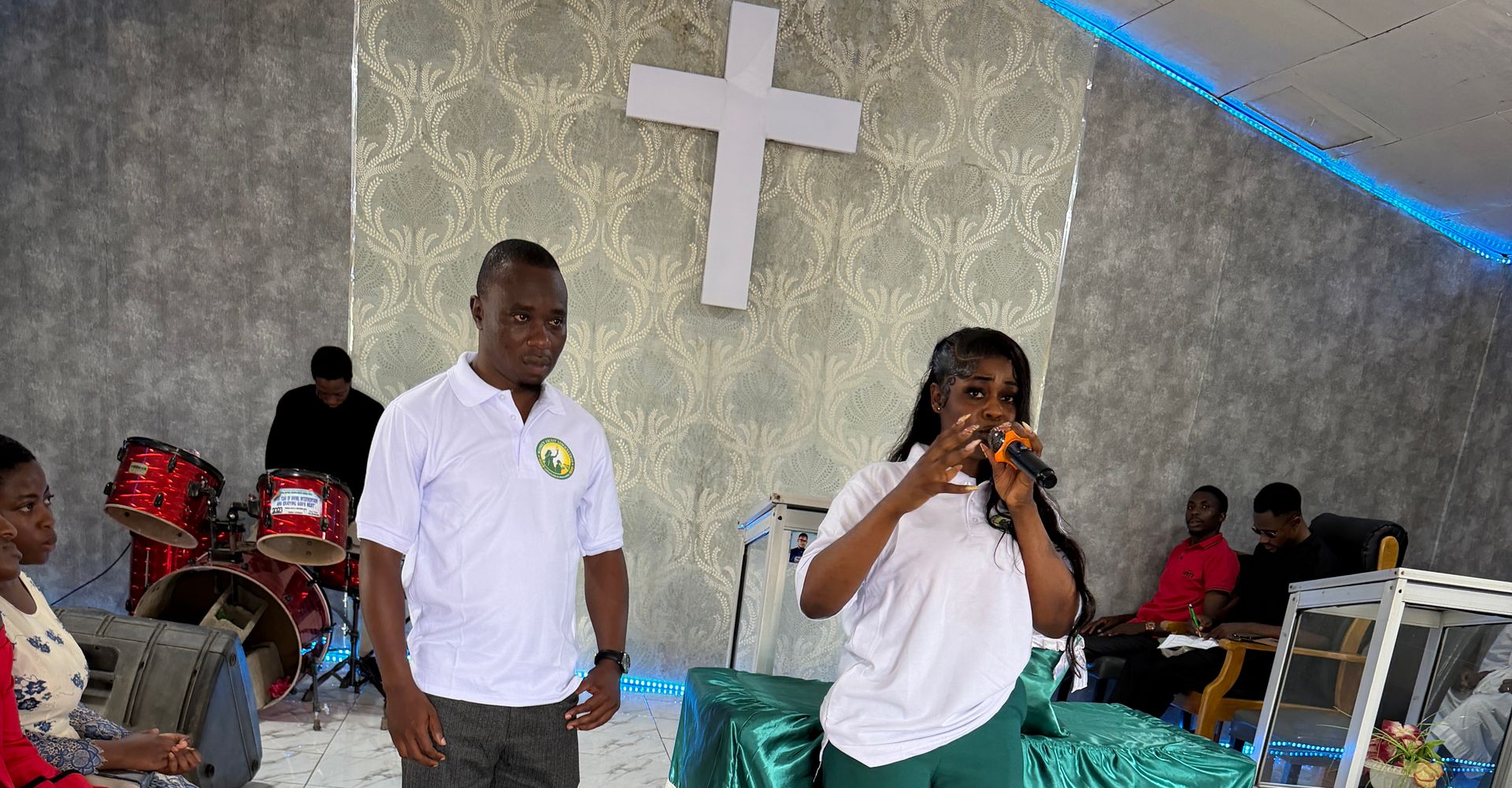
Women make up the majority of Cameroon's smallholder farmers and informal traders, yet face systemic barriers to land, credit, training and markets. We build the savings groups, skills and capital that change that.
10
Village Savings and Loan Associations: year-one target, none formed yet
500
Women in VSLA membership by year three (target)
2
Women's Economic Empowerment Hubs planned by year seven
The challenge
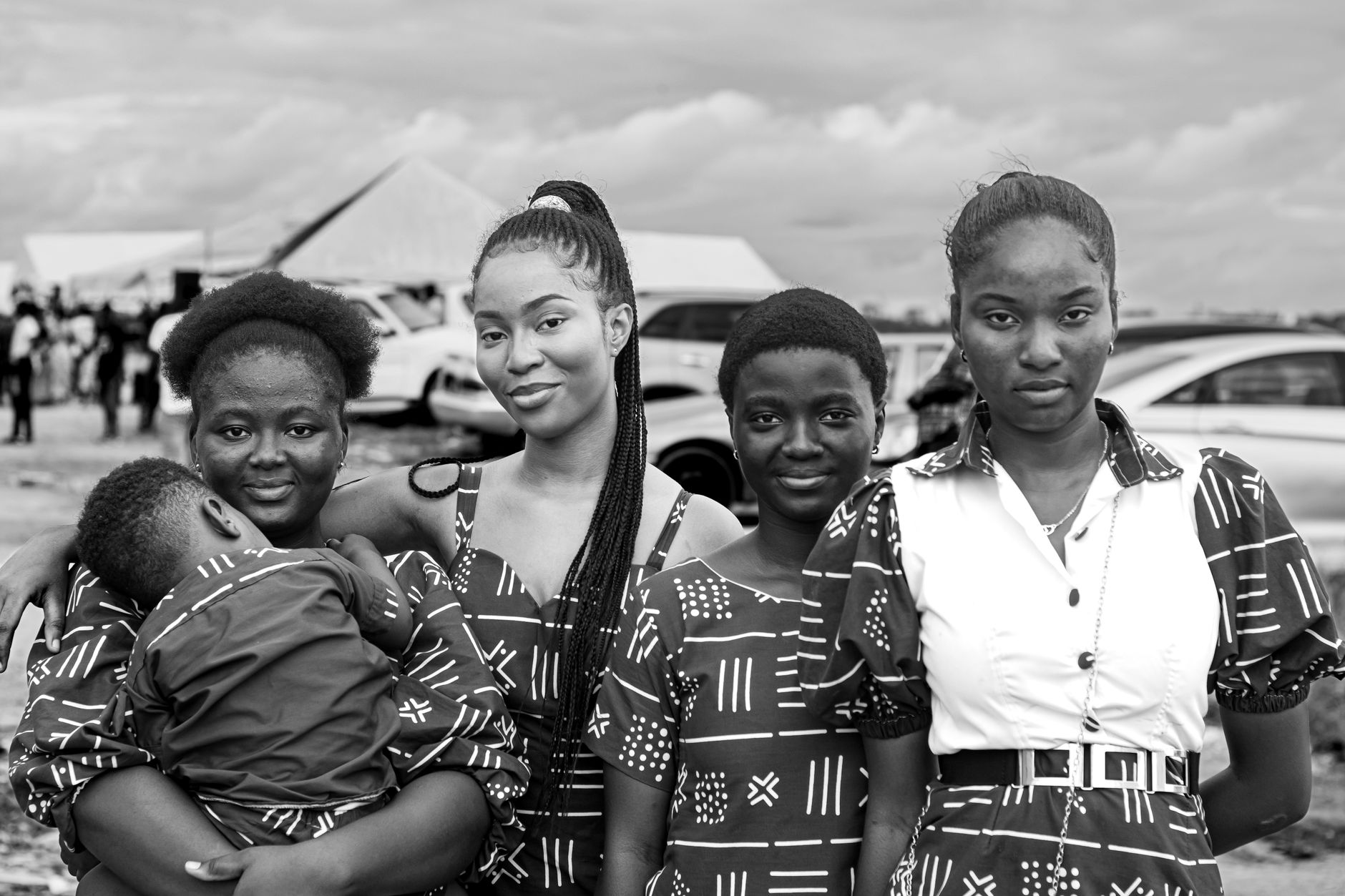
Women make up the majority of Cameroon's smallholder farmers and informal traders. Despite that, they face systemic barriers to land ownership, credit, vocational training and market access. Single mothers and widows are among the most economically vulnerable groups in the country.
The pattern is consistent: women carry the labour but not the assets, and without assets there is no collateral, no credit, and no capacity to absorb a shock — an illness, a bad harvest, a death in the family.
Savings first, then skills, then capital and markets — in that order, because each step makes the next one survivable.
01
Self-managed groups where women save together, access small loans and share returns — with no bank, collateral or outside capital required.
02
Tailoring, soap making, agro-processing and computing — trades selected with communities for local demand rather than assumed.
03
Support for women farmers to move beyond subsistence: processing, storage, pricing information and routes to buyers.
04
Budgeting, record-keeping, pricing and credit management, so that a first loan builds a business rather than a debt.
05
Small capital injections at the point where a trained woman has a viable plan but no means to begin.
06
Helping groups formalise into cooperatives, which unlocks collective bargaining, larger contracts and access to formal finance.
07
Dedicated support for survivors of violence, so that leaving a dangerous situation does not mean choosing destitution.
Who we serve
Priority goes to women whose economic position leaves them least able to absorb a shock or to leave a harmful situation.
Economic programming is delivered with the same accountability as every other pillar, and with particular care that a loan or a grant does not expose a woman to greater risk within her household.
Targets drawn from our organisational framework, with the horizon against which we will report progress.
Livelihoods
Economic empowerment is not income. It is control over income — and the gap between the two is where most livelihoods programmes…

Gender Justice
Women's empowerment means expanding a woman's ability to make choices that shape her own life — and then to act on them. The…
A savings group, a sewing machine, a first stock purchase. Small capital, applied after training, changes a household's trajectory.
Install Women's Light Foundation
Add our app to your home screen for faster access, even on a slow connection.
On iPhone or iPad: tap the Share button, then choose "Add to Home Screen".