Gender Justice
16 Days of Activism Against Gender-Based Violence: How to Take Part
Sixteen days between 25 November and 10 December. The campaign works when it ends in something concrete, and achieves very little when it ends on 10 December.
The 16 Days of Activism against Gender Violence runs each year from 25 November, the International Day for the Elimination of Violence against Women, to 10 December, Human Rights Day. The sixteen days between those two dates are the whole argument of the campaign: violence against women is a human rights violation, not a private misfortune.
It began in 1991, at the first Women's Global Leadership Institute convened by the Center for Women's Global Leadership at Rutgers University. It has since been adopted by the United Nations and is marked in most countries.
What happens during the sixteen days
The period also contains several other observances — among them World AIDS Day on 1 December and the International Day of Persons with Disabilities on 3 December — which is deliberate. The overlaps make the connections visible: between violence and health outcomes, and between disability and substantially elevated rates of violence.
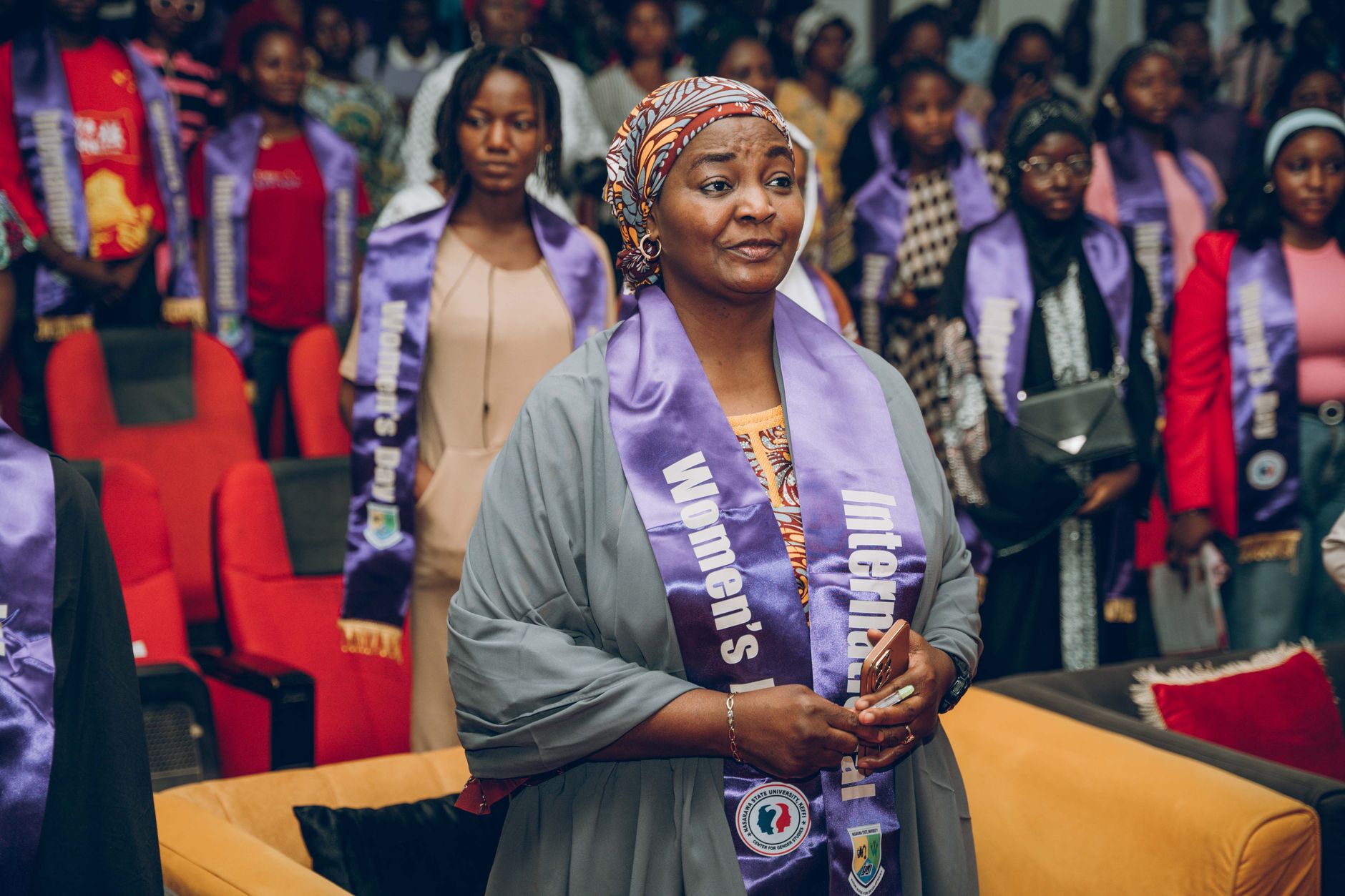
Orange is the campaign colour, designated by the UN's UNiTE campaign to represent a bright future free from violence. Buildings are lit orange, organisations publish under "Orange the World", and the colour has become the recognisable shorthand for the period.
The honest problem with sixteen days
Awareness rises sharply on 25 November and falls on 11 December. Prevention, meanwhile, operates on a timescale of years — the interventions with the strongest evidence behind them involve sustained community work with men, boys and traditional authorities over multiple seasons, not a fortnight of visibility.
How we use the period
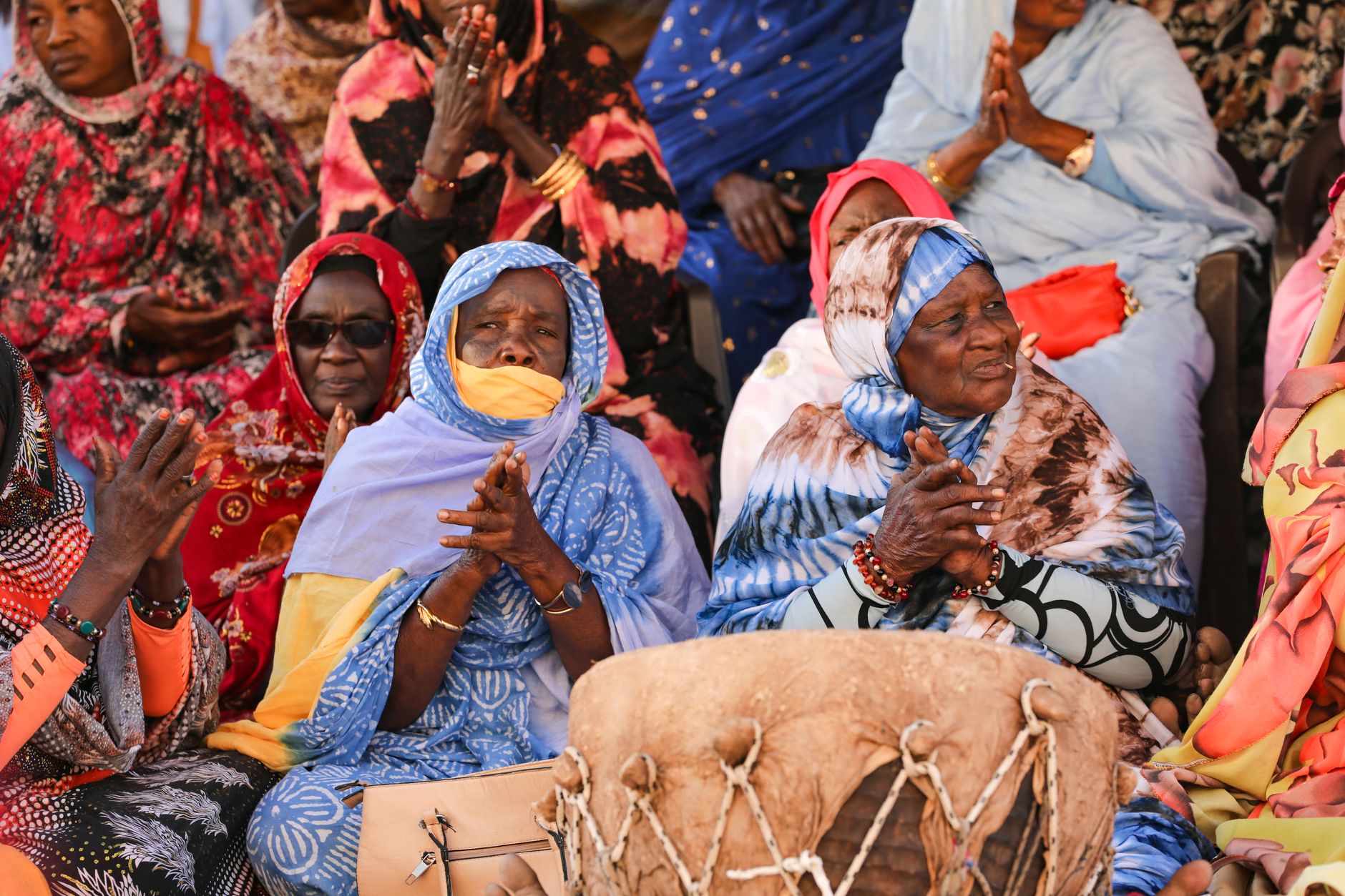
Our activity runs through community dialogues in the Northwest and Southwest Regions, involving men, boys, traditional authorities and faith leaders alongside women's groups. That composition is practical: household decisions about whether a woman may seek help are frequently not hers alone to make, and a campaign addressed only to women leaves the decision-makers unaddressed.
We also use the sixteen days as an internal audit. We check that every service in our referral pathways is still operating, still staffed and still reachable, because a pathway that quietly broke in March is a pathway that will fail someone in December.
Taking part usefully
- Map what exists near you — the nearest service, what it costs to reach, and what happens on arrival. Share that rather than a statistic.
- Audit your own organisation: is there a confidential channel through which someone can raise a concern about your staff, and does anyone actually answer it?
- Involve men and boys in whatever you run. Prevention addressed only to women manages risk after it exists.
- Give unrestricted funding to a local organisation rather than sponsoring a one-day event, because prevention work needs the kind of money that survives past December.
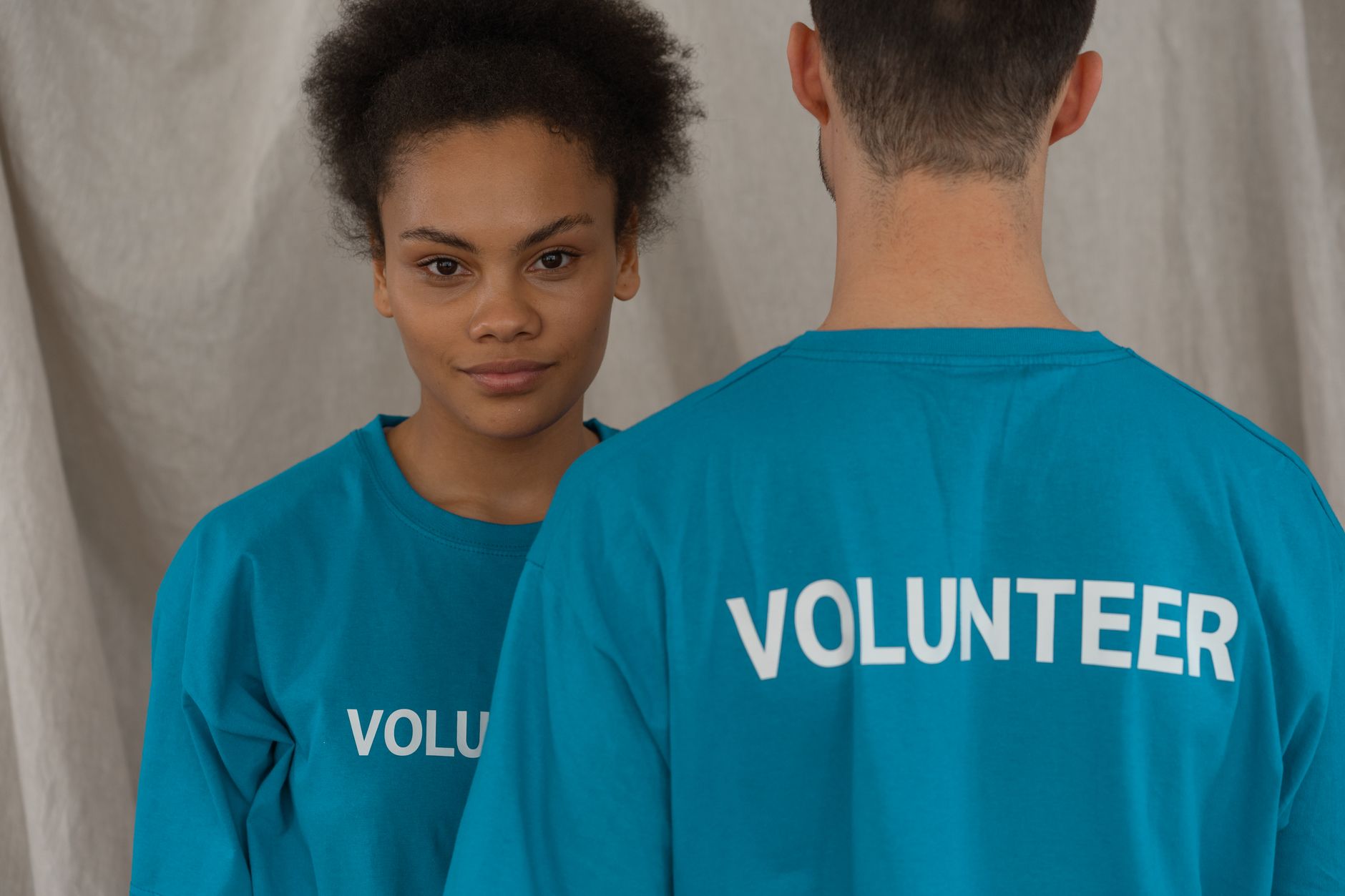
- Commit to one thing with a date after 10 December, and put it in a calendar before the campaign ends.
Why the period is still worth using
For organisations working on violence throughout the year, these sixteen days are when ministries take the meeting, when journalists commission the story, and when the subject can be raised at a community gathering without someone objecting that it is a family matter.
That access has real value, provided it is spent on a specific request rather than a general expression of concern. The question worth asking on 10 December is not how much attention the campaign generated, but what is now scheduled for February.
Frequently asked questions
When is the 16 Days of Activism?
It runs from 25 November, the International Day for the Elimination of Violence against Women, to 10 December, Human Rights Day. The pairing of those dates frames violence against women as a human rights violation.
How did the 16 Days of Activism start?
It began in 1991 at the first Women's Global Leadership Institute, convened by the Center for Women's Global Leadership at Rutgers University. It has since been adopted by the United Nations and is marked in most countries.
Why is orange the campaign colour?
Orange was designated by the UN's UNiTE campaign to represent a bright future free from violence. Buildings are lit orange during the period and organisations publish under the banner "Orange the World".
Can awareness campaigns do harm?
Yes, where they encourage disclosure into a system that cannot respond. A woman who discloses, finds the service closed or unable to help, and returns home is less likely to try again and may have exposed herself in the attempt. Check services are operating before naming them.
How can I take part meaningfully?
Map and share the services that genuinely exist near you; audit your own organisation's complaints channel; involve men and boys; give unrestricted funding to a local organisation; and commit to one thing with a date after 10 December.
Sources
- 16 Days of Activism against Gender-Based Violence — UN Women
- International Day for the Elimination of Violence against Women — United Nations
- Violence against women (fact sheet) — World Health Organization
Related reading
Gender Justice
Femicide: What It Is, Why It Happens, and What Prevention Actually Looks Like
Femicide is the killing of women and girls because they are women. It is the most extreme point on a continuum of violence that…
Gender Justice
Violence Against Women: The Facts, and What They Miss
About one in three women worldwide has experienced physical or sexual violence. The number is reliable, widely cited, and tells…
Gender Justice
What Is Gender-Based Violence? Types, Causes and Effects
GBV means violence directed at a person because of their gender, or that affects one gender disproportionately. It is not a…