Our Work
Gender-Based Violence in Cameroon: What the Evidence Shows
Nearly one in two Cameroonian women has experienced physical or sexual violence. This is what the evidence says about why, what stops survivors from seeking help, and what actually works in prevention and response.
Gender-based violence is among the most widespread and least visible development challenges in Cameroon. It is widespread because the GBV statistics for Cameroon consistently place prevalence near one in two women. It is invisible because the overwhelming majority of incidents never appear in any official record. Understanding the gap between those two facts is essential to responding well.
What the data shows
According to Demographic and Health Survey findings, nearly one in two Cameroonian women has experienced physical or sexual violence. Intimate partner violence accounts for a substantial share. Early and forced marriage remains prevalent in parts of the country, and is itself both a form of violence and a driver of further harm, cutting girls off from education and deepening economic dependence.
Two cautions apply to any statistic in this field. First, prevalence surveys rely on disclosure, and disclosure is shaped by stigma — meaning the true figures are likely higher, not lower. Second, service data measures access to services, not incidence. A rise in reported cases after a new safe space opens usually reflects improved access, not worsening violence. Conflating the two leads to bad programming decisions.
Why survivors do not report
In community consultations the same barriers surface repeatedly, and they are practical as much as cultural.
- Stigma and the fear of being blamed, isolated, or held responsible for damaging the family's reputation.
- Economic dependence on the person causing harm, particularly where a woman has no independent income and children to support.
- Distance and transport cost — a health facility or police post several hours away is effectively unavailable.
- Direct costs, including medical certificates, which place formal legal processes out of reach for many.
- Low confidence that reporting produces any result, reinforced by experience of cases that went nowhere.
- Limited awareness of rights and of what services exist.
- Fear of retaliation, especially where the survivor cannot relocate.
Structural drivers
Violence against women in Cameroon is sustained by conditions that extend well beyond individual perpetrators.
- Social norms that treat violence within marriage as private, or as a legitimate part of discipline.
- Economic marginalisation — limited access to land, credit, vocational training and formal employment leaves many women without an exit.
- Educational disadvantage — girls who leave school early face weaker economic prospects and reduced awareness of their rights.
- Weak survivor support systems, with few safe spaces, limited trained psychosocial staff and thin legal aid.
- Displacement and instability, which increase exposure to violence and sever the community ties that normally offer protection.
- Impunity, where cases are settled informally or abandoned, signalling that violence carries no consequence.
This is why single-sector responses underperform. An organisation that offers counselling but cannot help a survivor achieve any economic independence has treated a symptom. One that offers skills training without addressing safety may put a woman at greater risk.
What works
Functioning referral pathways
The single most valuable thing a local organisation can build is a working referral pathway: a documented map of where a survivor can obtain medical care, psychosocial support, legal advice and safety, and agreed procedures for moving between them. Services delivered in isolation help far less than the same services connected. Building the pathway means establishing relationships with health facilities, legal aid providers and social services before a crisis, not during one.
Survivor-centred case management
International standards, including the IASC Guidelines on Gender-Based Violence, converge on a small set of principles: confidentiality, safety, respect and non-discrimination. In practice this means the survivor decides what happens next. Pressuring someone to report to police, or disclosing their situation without consent, causes real harm and deters others from coming forward.
Economic empowerment as protection
Village savings and loan associations, vocational skills training and start-up support address one of the most cited reasons women remain in violent situations. Savings groups have a secondary effect that is easy to overlook: they create a regular, trusted gathering of women, which becomes one of the few settings where disclosure feels safe.
Engaging men and boys
Programmes that involve men and boys as allies show stronger norm change than those addressing women alone. Working with traditional and religious leaders, who hold considerable authority over how communities interpret these issues, extends that reach substantially.
Keeping girls in school
Education is among the most reliable long-term protective factors. Girls who complete school marry later, earn more and are better placed to leave violent situations. Bursaries, school materials, safe learning environments and menstrual health support all reduce the dropout pressures that shorten a girl's education.
Our approach
Women's Light Foundation works on gender-based violence as one of seven integrated pillars, alongside girl-child education, sexual and reproductive health and rights, WASH, women's livelihoods, environmental resilience and advocacy. That structure is deliberate. Our GBV work includes safe spaces, psychosocial support, legal aid and rights awareness, case management and referral, community sensitisation, engagement of men and boys as allies, and economic reintegration support for survivors.
All of it is delivered in line with the IASC Guidelines on Gender-Based Violence, the Core Humanitarian Standard, the Do No Harm principle and a mandatory PSEA policy covering all staff, volunteers and partners.
Frequently asked questions
How common is gender-based violence in Cameroon?
Demographic and Health Survey data indicates that nearly one in two Cameroonian women has experienced physical or sexual violence. Because prevalence surveys depend on disclosure and stigma suppresses it, the true figure is likely higher. Recorded service data understates the problem further, since most survivors never reach a formal service.
What forms does gender-based violence take in Cameroon?
It includes intimate partner violence, sexual violence, early and forced marriage, economic abuse such as the denial of resources or property, psychological abuse, and harmful traditional practices. Displacement and instability heighten exposure to several of these, as protective community structures weaken.
Why do so few survivors report violence?
The barriers are practical as well as cultural: stigma and fear of blame, economic dependence on the person causing harm, distance and transport costs to reach services, the cost of medical certificates and legal processes, low confidence that reporting leads to any outcome, limited awareness of rights, and fear of retaliation.
What is a GBV referral pathway?
It is a documented map of the services a survivor can access — medical care, psychosocial support, legal advice and safety options — together with agreed procedures for moving between them. Building one requires relationships with health facilities, legal aid providers and social services established in advance. Connected services are substantially more effective than the same services delivered in isolation.
Does economic empowerment reduce gender-based violence?
It addresses one of the most frequently cited reasons women remain in violent situations: having no independent means of support. Village savings and loan associations, vocational training and start-up grants build that independence. Savings groups also create regular, trusted gatherings of women, which are often among the few settings where disclosure feels safe.
Why involve men and boys in GBV prevention?
Programmes that engage men and boys as allies show stronger evidence of shifting social norms than those working with women alone, because the norms sustaining violence are held community-wide. Working with traditional and religious leaders, who carry significant authority over how communities interpret these issues, extends that influence further.
Sources
- Demographic and Health Surveys programme — USAID / ICF
- Violence against women (fact sheet) — World Health Organization
- Facts and figures: Ending violence against women — UN Women
- IASC Guidelines for Integrating Gender-Based Violence Interventions in Humanitarian Action — Inter-Agency Standing Committee
Related reading
Careers
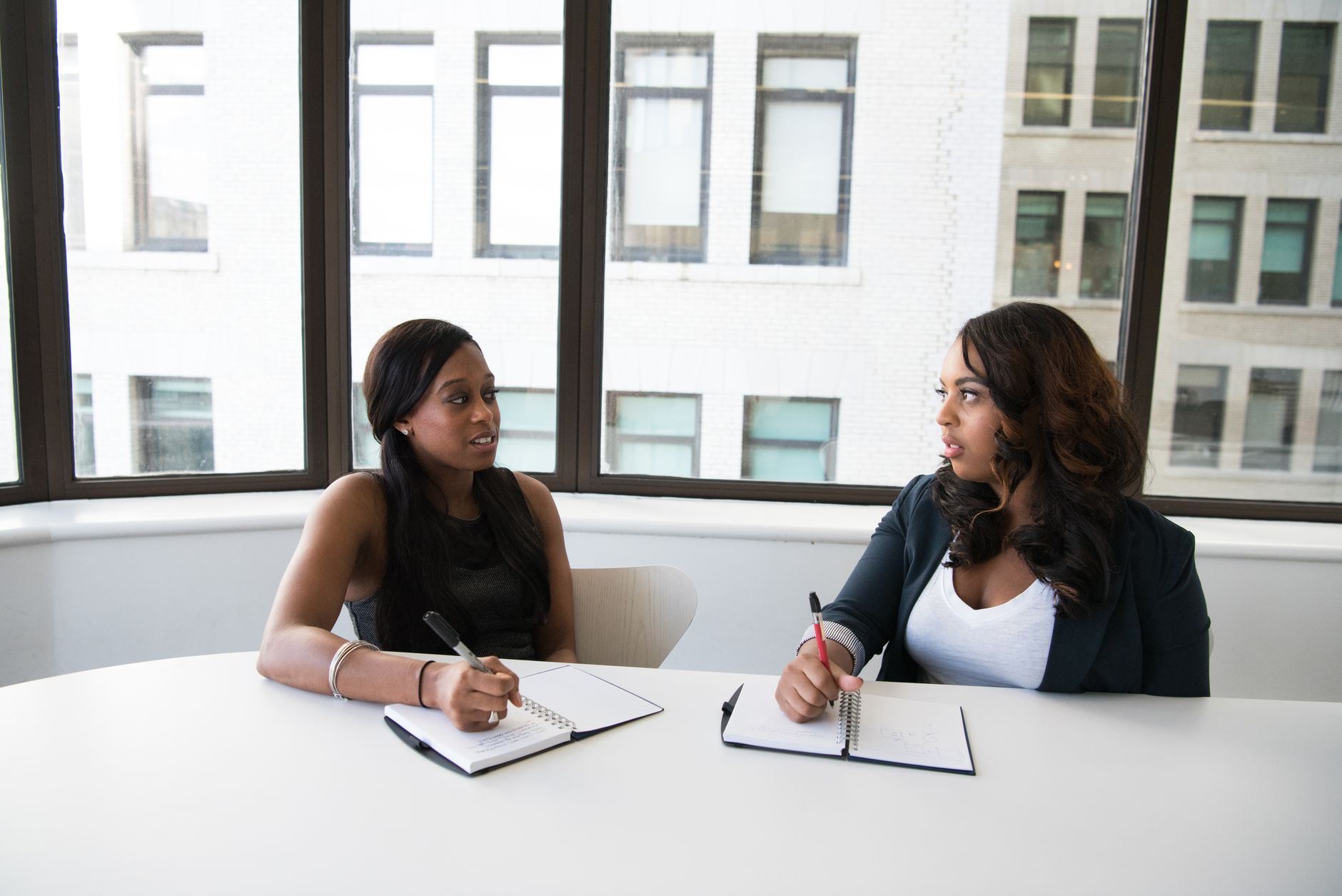
NGO Jobs in Cameroon: How to Find and Land One
A practical guide to finding NGO jobs in Cameroon — where vacancies are actually posted, what employers in Buea, Bamenda, Douala…
Get Involved
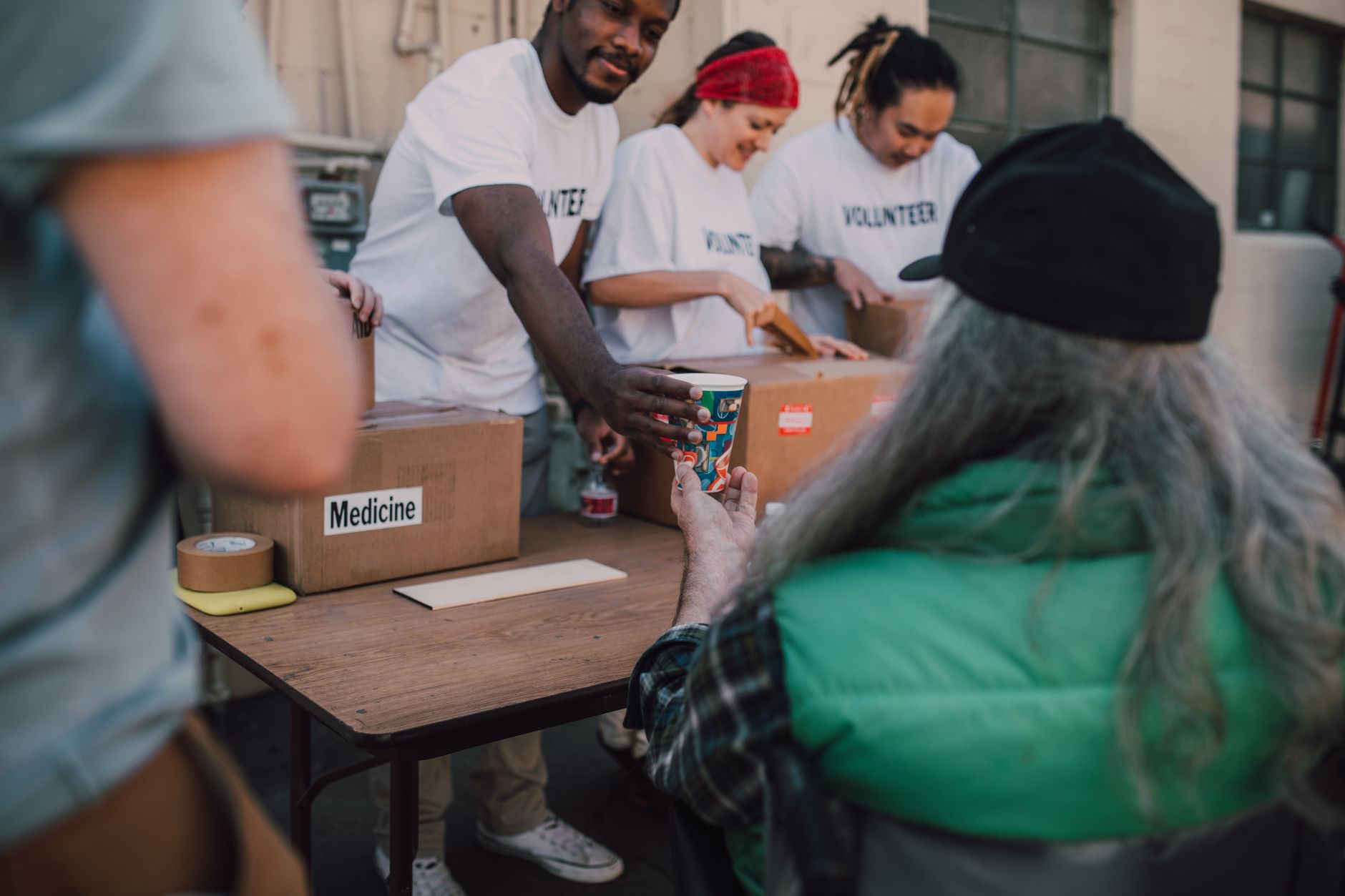
Volunteering with an NGO in Cameroon: A Practical Guide
How volunteering with a Cameroonian NGO actually works — how to find placements in Buea, Bamenda and beyond, what organisations…

Resources
Grants for NGOs in Cameroon: Where to Find Funding
The realistic funding landscape for Cameroonian associations and NGOs — which donors actually fund national organisations, what…