

Get Involved
Volunteering with an NGO in Cameroon: A Practical Guide
How volunteering with a Cameroonian NGO actually works — how to find placements in Buea, Bamenda and beyond, what organisations expect, what you should expect in return, and how to avoid placements that exploit rather than serve.
Volunteering with an NGO in Cameroon can be the most valuable professional decision you make, or a waste of several months. The difference lies almost entirely in choosing the right organisation and agreeing clear terms before you begin. This guide covers how to do both.
Why volunteer at all
For Cameroonian graduates, volunteering solves a specific problem. NGO vacancies routinely ask for one to three years of relevant experience, which is impossible to obtain if every entry point demands it first. A structured volunteer placement breaks that loop.
- It produces a named professional reference — the single most useful thing a first-time applicant can have.
- It gives you exposure to real programme tools: needs assessments, case management, activity reports, beneficiary data.
- It puts you inside the networks where a large share of national-staff vacancies circulate before they are ever advertised.
- It lets you test a thematic area before committing your career to it.
The main types of placement
Local association volunteering
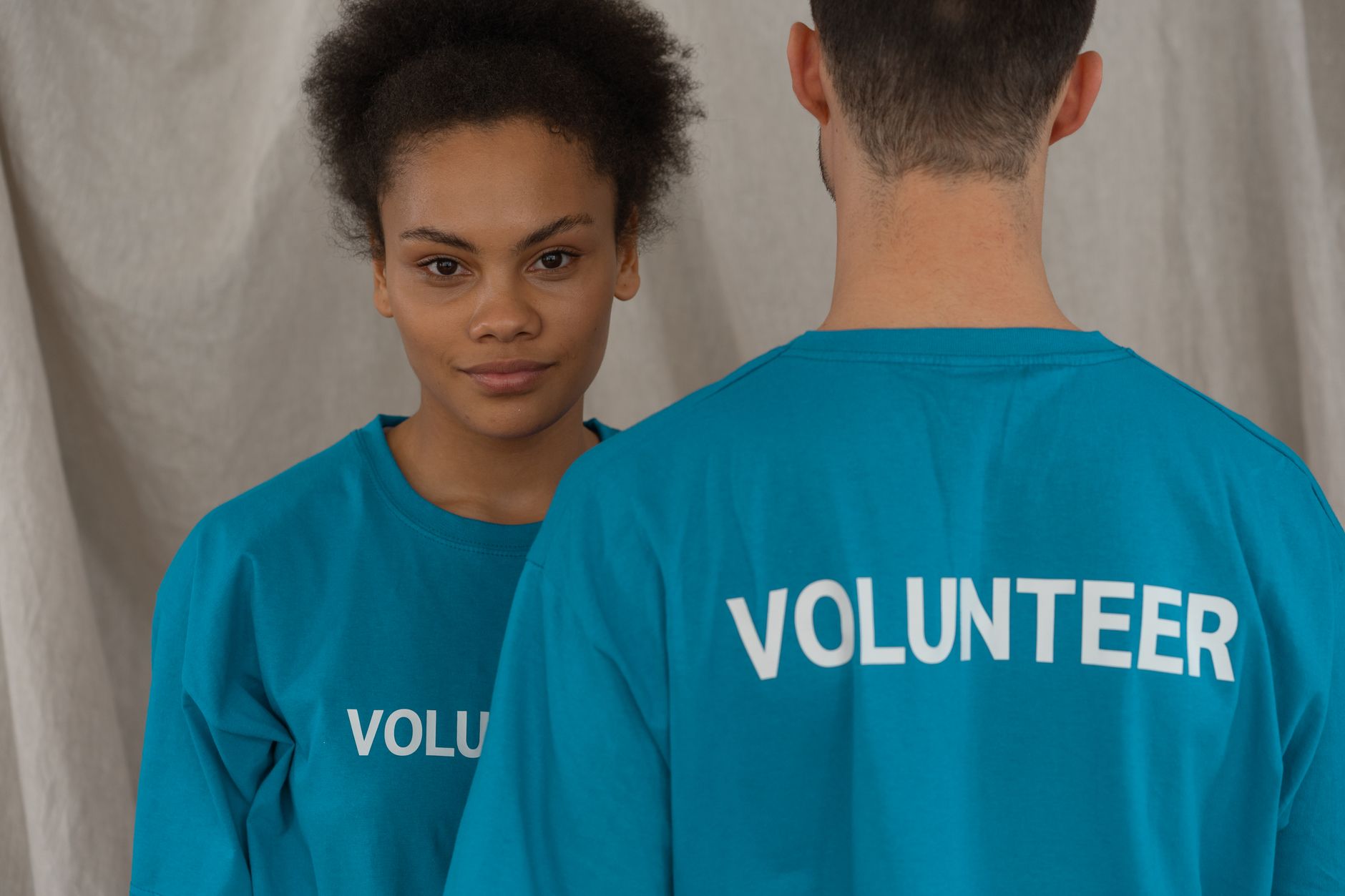
Cameroonian associations registered under Law No. 90/053 take on volunteers most readily. Responsibility tends to be broad and real — you may be facilitating community sessions within weeks. Costs are usually limited to a transport contribution. This is the most accessible route for most people.
International NGO internships
Larger organisations run formal internship programmes with fixed terms, defined learning objectives and sometimes a modest stipend. Competition is heavier and the work is narrower, but the name recognition on a CV carries weight.
UN Volunteers (UNV)
UNV is a distinct scheme, not ordinary volunteering. National UN Volunteer assignments in Cameroon come with a monthly living allowance, insurance and a formal contract, and are advertised through the UNV global talent pool. Requirements are stricter — usually a degree and some relevant experience — but these are serious, professional assignments.
Skills-based and remote volunteering
Organisations frequently need help that does not require field presence: translation between English and French, data analysis, graphic design, website maintenance, grant research and proposal editing. If you have a professional skill, offering it directly is often more welcome than general availability.
How to find a placement
- Identify ten to fifteen organisations working on a theme you care about in your region. Look at who is actually active in Buea, Bamenda, Douala or Yaoundé rather than who is best known internationally.
- Read what they do before writing. A message that references a specific programme is taken seriously; a generic one rarely is.
- Write to a named person. Explain what you can contribute, how many days a week you can commit, and for how long.
- Be concrete about availability. 'Three days a week for six months' is actionable. 'Whenever needed' is not.
- Follow up once, politely, after ten days. Small organisations are genuinely busy, not ignoring you.
What a good placement looks like
Before you commit, agree the following in writing. A credible organisation will have no difficulty with any of it.
- A named supervisor who is responsible for your work and available to you.
- A written placement agreement setting out your role, hours, duration and objectives.
- Reimbursement of transport and field costs incurred on the organisation's behalf.
- A safeguarding and PSEA briefing, and a code of conduct you are asked to sign.
- A clear commitment to provide a reference letter or certificate at the end.
- An honest explanation of any security considerations affecting where you will work.
Warning signs
- No written agreement, and reluctance to provide one.
- No named supervisor, or a supervisor you never meet.
- Vague descriptions of what you will actually do day to day.
- Pressure to work directly with children or survivors of violence without any safeguarding briefing, background check or training.
- Requests to use your own money to fund programme activities.
- An organisation that cannot show you its registration documents or any record of past work.
The safeguarding point deserves emphasis. Any organisation that places an untrained volunteer alone with vulnerable people is failing those people, not empowering you. A serious NGO will brief you, supervise you, and restrict what you do until you are ready.
Making the placement count
Keep a simple log from day one: dates, activities, numbers reached, tools you used, and what you learned. In six months this becomes the raw material for your CV, and it is far easier to write than to reconstruct from memory. Ask for the reference letter before your final week, while people still remember your work clearly.
Volunteering with Women's Light Foundation
Women's Light Foundation works with volunteers across gender-based violence prevention, girl-child education, WASH, women's livelihoods and environmental campaigns in the Northwest and Southwest Regions. We brief every volunteer on safeguarding and PSEA before they begin, assign a named supervisor, and provide a reference on completion. We also welcome skills-based and remote contributions — translation, data, design and research all make a real difference to a small team.
Frequently asked questions
Can I volunteer with an NGO in Cameroon with no experience?
Yes. Local Cameroonian associations are generally open to volunteers without prior NGO experience, and value motivation, reliability and local language skills highly. You will usually begin by supporting community mobilisation, awareness sessions or data collection under supervision, and take on more responsibility as you demonstrate capability.
Are there NGOs in Buea accepting volunteers?
Yes. Buea, as the Southwest Region's capital, hosts a high concentration of humanitarian and development organisations, and many take volunteers. The same is true of Bamenda in the Northwest Region. Approach organisations directly with a specific message about what you can contribute, since most local associations do not formally advertise volunteer openings.
Is volunteer work in Cameroon paid?
Ordinary NGO volunteering is unpaid, though a good organisation will reimburse transport and field costs you incur on its behalf. UN Volunteer assignments are different: national UNV assignments carry a monthly living allowance, insurance and a formal contract, and are advertised through the UNV talent pool. Some international NGO internships also offer a modest stipend.
Should I ever pay a fee to volunteer?
Not to a local Cameroonian association. Requests for registration, placement or administrative fees from a local NGO should be treated as a scam. Some international voluntourism companies do charge participants for arranged placements, but these are commercial products rather than NGO recruitment, and they rarely provide the professional reference or experience that advances a career in the sector.
How long should a volunteer placement last?
Three to six months is the usual sweet spot. Shorter placements rarely give enough time to contribute meaningfully or to build a reference worth citing, while an organisation investing in your briefing and supervision reasonably expects a period of useful contribution in return. Agree the duration in writing before you start.
Can I volunteer remotely for a Cameroonian NGO?
Yes, and it is genuinely useful. Small organisations frequently need English-French translation, data analysis, graphic design, website support, grant research and proposal editing — all of which can be done remotely. Offering a specific professional skill is often more welcome than general availability.
Sources
- Core Humanitarian Standard on Quality and Accountability — CHS Alliance
- NGO Branch — consultative status with ECOSOC — United Nations
Topics
Related reading

Careers
NGO Jobs in Cameroon: How to Find and Land One
A practical guide to finding NGO jobs in Cameroon — where vacancies are actually posted, what employers in Buea, Bamenda, Douala…

Resources
Grants for NGOs in Cameroon: Where to Find Funding
The realistic funding landscape for Cameroonian associations and NGOs — which donors actually fund national organisations, what…
Our Work
Gender-Based Violence in Cameroon: What the Evidence Shows
Nearly one in two Cameroonian women has experienced physical or sexual violence. This is what the evidence says about why, what…