Gender Justice
International Women's Day: How to Support a Charity That Delivers
Marked every 8 March. If you want the day to do more than trend, the useful question is not which charity to give to but what to ask before you do.
International Women's Day is marked on 8 March. Every charity working on women's rights marks it. It began in the labour movement — the first observances were organised by socialist and trade union women in the United States and Europe between 1909 and 1911, and the date was fixed after women textile workers in Petrograd struck on 8 March 1917. The United Nations began marking it officially in 1975.
That history is worth knowing because the day now arrives wrapped in a great deal of corporate content, and the distance between a strike over working conditions and a branded social post is large enough to be worth noticing.
The theme question
The UN has published an annual theme since 1996. It is announced by UN Women, typically a few months ahead, and it sets the framing for official observances. A number of campaign hashtags circulate alongside it each year from other organisations, which is why people searching for the theme often find two or three different answers and assume one is wrong.
Both exist. The UN theme is the official one; campaign themes are independent. If you need the authoritative version, take it from UN Women directly rather than from the first result.
Why a one-day campaign rarely helps much
Attention spikes on 8 March and collapses on 9 March. For an organisation running multi-year work, a single day of visibility is pleasant and changes very little. What changes things is predictable income, because it allows hiring, planning and commitment to a community beyond the length of a grant.
Four questions worth asking before you give
- Who decides what this organisation works on? If priorities are set by participatory assessment with the communities served, the work is more likely to address what those communities actually need. If they are set by whatever a donor is funding this year, it is less likely.
- Is there a way for the people it serves to complain about it? A confidential channel through which communities can raise concerns about the organisation itself is the clearest single indicator that accountability runs downward and not only upward to funders.
- Does it publish a safeguarding and PSEA policy, and does that policy bind volunteers and partners as well as staff? An organisation working with vulnerable people without one is not ready for your money.
- What happens when the funding stops? Ask what would still be working two years after their current grant ends. The answer reveals whether the model builds local capacity or substitutes for it.
None of these asks for an impact figure, deliberately. Impact numbers are the easiest thing on a website to present favourably. Governance is harder to fake.
Giving locally
Small national and community-based organisations receive a small fraction of international development funding, despite being closest to the work and cheapest to run. They are also the hardest to find, because they rarely have the communications budget to be visible to a donor searching in English from another continent.

If you want your giving to go further, that gap is the opportunity. A sum that is marginal to an international organisation can fund a full programme cycle for a local association — and a local association has to keep living in the community afterwards, which is its own form of accountability.
Our own programme work runs on that basis in the Northwest and Southwest Regions of Cameroon, and our accountability mechanisms are published for exactly the kind of scrutiny the questions above describe.
Beyond the donation
Money is not the only useful contribution, and for some organisations it is not the scarcest one. Skills-based support — grant research, proposal editing, translation between English and French, data analysis, design — is frequently harder to obtain than small funding, and it builds capacity that remains after the task is finished.
If you mark 8 March by doing one thing, make it something with a date attached after 8 March. That is the whole difference between an observance and a contribution.
Frequently asked questions
When is International Women's Day?
8 March every year. The observance grew out of the labour movement between 1909 and 1911, and the date was fixed after women textile workers in Petrograd struck on 8 March 1917. The United Nations began marking it officially in 1975.
What is the International Women's Day theme?
The UN has published an annual theme since 1996, announced by UN Women a few months ahead. Independent campaign hashtags also circulate each year, which is why searches return conflicting answers. For the official theme, take it from UN Women directly.
What is the best way to support a women's charity?
Unrestricted funding, given regularly rather than once. Restricted grants pay for activities but rarely for the finance, safeguarding and audit functions that make those activities accountable, which is why project-funded organisations can look efficient and be fragile.
How do I know if a women's charity is credible?
Ask who decides what it works on, whether the people it serves can complain about it confidentially, whether it publishes a safeguarding and PSEA policy binding on volunteers and partners, and what would still be working two years after its current funding ends.
Is it better to give locally or internationally?
Small national and community-based organisations receive a small share of international funding despite being closest to the work. A sum that is marginal to a large international organisation can fund a full programme cycle for a local association.
Sources
- International Women's Day — UN Women
- International Women's Day — United Nations
- Core Humanitarian Standard on Quality and Accountability — CHS Alliance
Related reading
Livelihoods
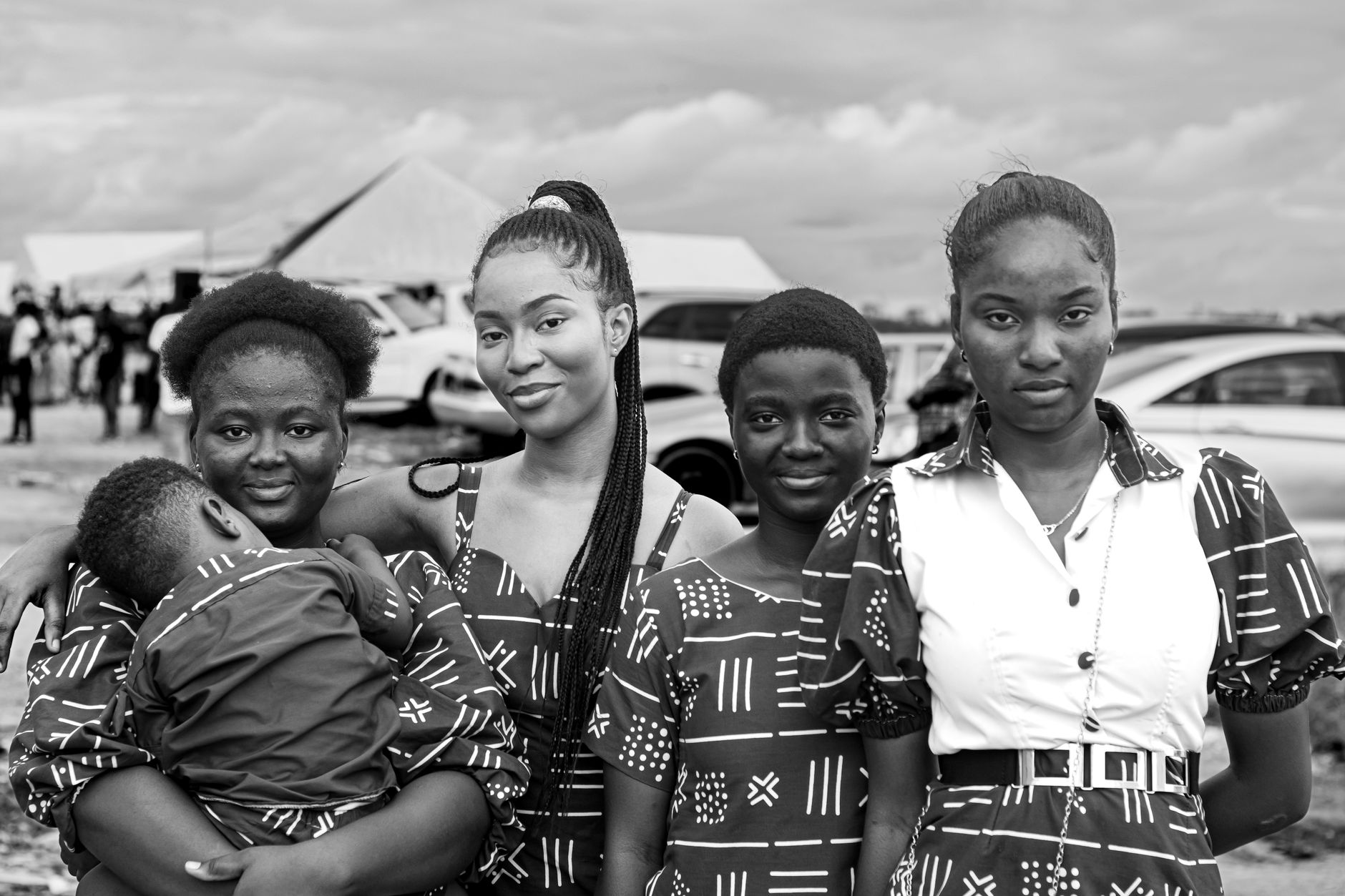
What Is Economic Empowerment, and What Makes It Last?
Economic empowerment is not income. It is control over income — and the gap between the two is where most livelihoods programmes…
Education
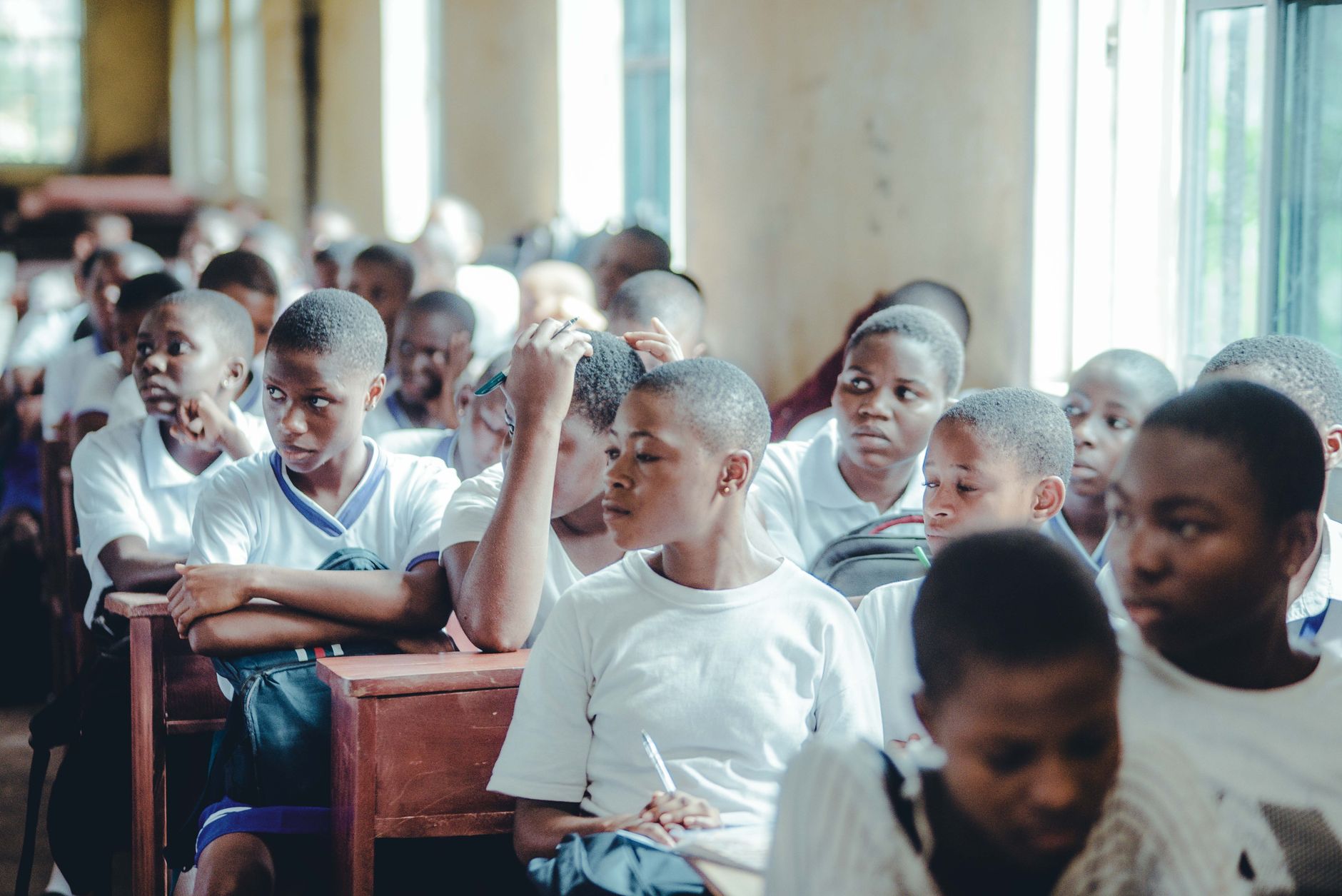
Why Girls' Education Matters — and What Keeps Girls in School
The importance of girls' education is not disputed. What gets less attention is that most girls who drop out leave for reasons…
Water & Sanitation
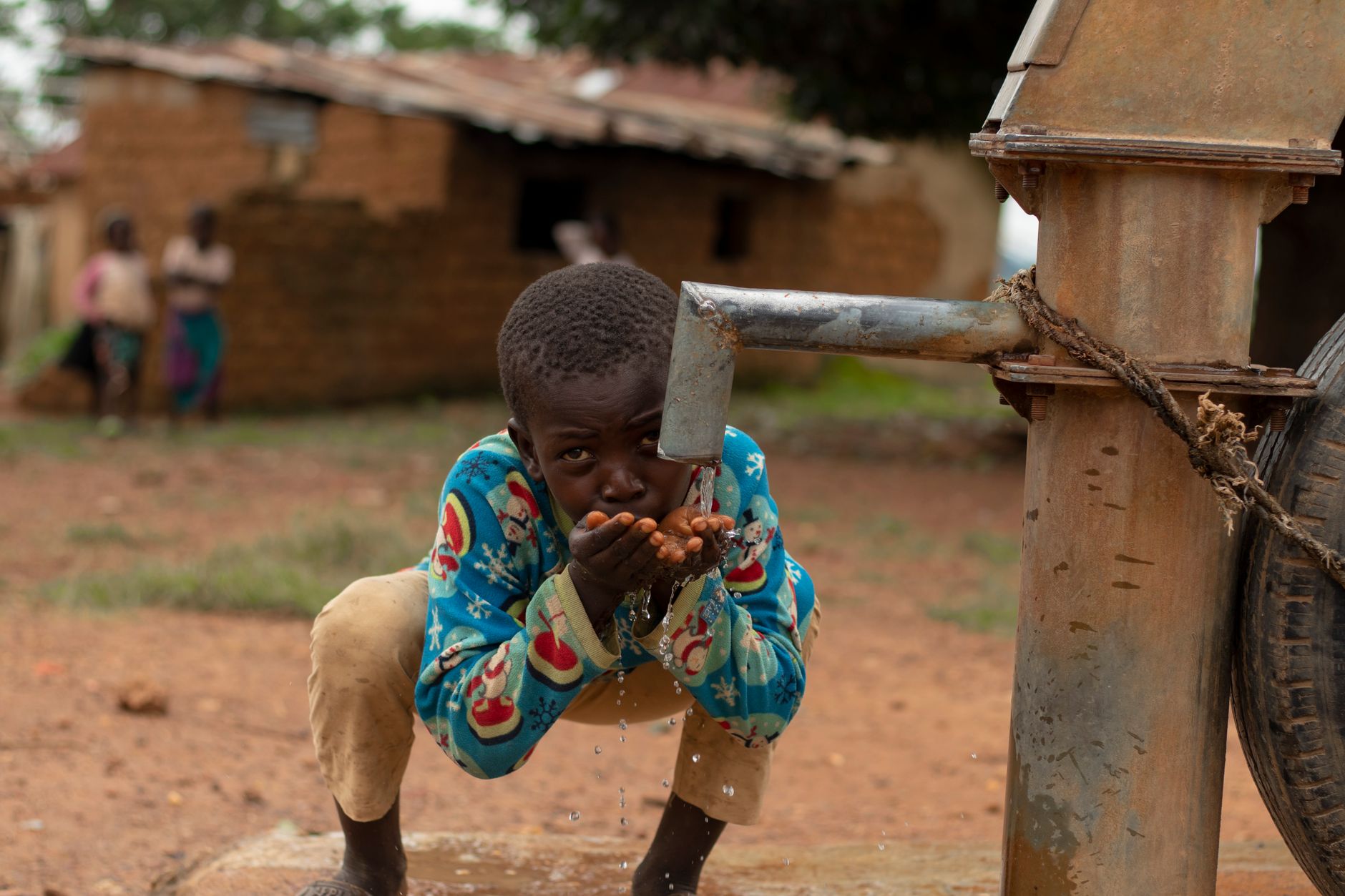
World Water Day: Why Clean Water Is a Women's Issue
World Water Day is marked every 22 March. The statistic that should define it is not how many people lack clean water, but who…